

Negotiating with suppliers: tips for a controlled budget
Have you already spent hours looking for ways to negotiate with event suppliers without exceeding your budget, faced with quotes that always seem too high?
It is a common challenge for any event organiser, whether it is a team building, a corporate party or a seminar.
In this article, I break down proven techniques for mastering negotiation with event professionals, combining preparation tips, discussion strategies and handling the unexpected, while optimising your event budget.
Ready to transform your approach to get quality services without breaking the bank? Negotiation works better with a regular volume of business, which our Paris team brings.
| Event type | Budget item | Share of the budget |
|---|---|---|
| Corporate seminar | Venue hire | 30-40% |
| Corporate seminar | Catering (meals/breaks) | 25-35% |
| Corporate seminar | Technical equipment | 10-15% |
| Corporate seminar | Speakers/lecturers | 10-15% |
| Corporate party | Party venue hire | 40-50% |
| Corporate party | Catering/bar | 30-40% |
| Corporate party | Artistic entertainment/music | 10-15% |
| Corporate party | Decorations | 5-10% |
| Team building | Hire of a suitable space | 35-45% |
| Team building | Activities and facilitators | 20-30% |
| Team building | Catering | 15-25% |
| Team building | Decorations | 5-10% |
Setting a clear budget before contacting event suppliers spares you unpleasant surprises. Without forecasts, you risk exceeding your financial envelope.
The 5W rule (Who, Why, What, When, Where) helps structure your needs. Discover the key steps to organising a successful event, including budget planning.
The budget split follows classic proportions. For a seminar, allow 30-40% for the venue and 25-35% for the caterer. Explore event project management tools to structure your spending. The unexpected justifies adding a further 10-15%.
Preliminary research on event rates is essential. Consult platforms such as Malt.fr to compare suppliers' fees. According to Monster.fr, rigorous budget management is important for controlling costs. Avoid offers that look too good to be true without prior benchmarking.
Systematically set aside 10-15% of the budget for the unexpected. Things like a caterer cancelling at the last minute or unforeseen technical costs can be expensive. A contingency fund lets you absorb these costs without compromising the event.
Digital tools make it easier to track expenses. Trello centralises costs and Slack improves communication between organisers. These solutions optimise budget management without excessive complexity.
ROI is measured by comparing benefits with costs. An event generating €75,000 in revenue from a €42,600 investment shows an ROI of 76%. This indicator validates the relevance of your spending and justifies event budgets to decision-makers.
- "I am looking to organise an event within a range of €7,000 to €10,000, depending on the services selected."
- "I do not yet have a final budget; I am working on different options depending on the proposals I receive."
- "Could you present your best offer for an event of 30 people with this type of services?"
- "I am considering several teams, and we are looking to optimise value for money for this event."
- "I am open to your suggestions, provided they stay within a reasonable budget for this type of event."
Not disclosing your maximum budget to event suppliers is a winning strategy. By keeping this information confidential, you avoid having rates adjusted to your financial capacity. Most suppliers adjust their quotes to the budget they are told, often upwards.
When a supplier asks for your budget, stay vague. Answer with "I am working on several options" or "I am looking to optimise my budget based on the proposals". These phrases keep the negotiation open without locking you into a precise amount, which leaves you more room for manoeuvre.
Presenting the budget as under discussion creates negotiating leverage. It encourages suppliers to be more competitive to win the contract. By suggesting that the budget could change, you often get more aggressive offers, since they know you are comparing several proposals.
The psychological effect is clear: suppliers often put forward their best offers when they feel they have to convince. By not revealing your budget, you force the supplier to promote their service without relying on your financial capacity, which improves your chances of getting better value for money.
Several concrete cases show how effective this approach is. One organiser saved 25% on their seminar by comparing 3 quotes without revealing their budget. Another obtained a complete package at €8,500 instead of the planned €10,000, simply by staying vague about their financial capacity.
However, you need to know when to reveal your budget range. If the supplier is ideal but the budget is too far from their rates, a more transparent approach is needed. For example, "I am working with a budget of €4,000 to €5,000, can you offer me a service within that range?" lets you adjust expectations without blocking yourself.
- Check references and examples of similar work
- Brief: deliverables and deadlines
- Add a termination clause with penalties in case of breach
- Ask for a performance guarantee (deposit or insurance)
- Schedule frequent progress meetings to monitor progress
- Require transparent, responsive communication
- Include a confidentiality clause
- Define clearly the intellectual property rights
- Check the professional liability insurance
- Negotiate staged payments tied to deliverables
- Add a force majeure clause
- Include a mediation/arbitration clause for disputes
To secure a collaboration with an emerging event supplier, certain precautions are needed. See the example of a seminar in Switzerland to appreciate the advantages of a young agency.
New event companies often offer more competitive rates. They are looking to make a name for themselves and to join the client network. This start-up phase pushes them to be more flexible in negotiation, especially for corporate events.
Young agencies easily stand out through specialised platforms, social networks and industry events. Their online presence serves as a showcase. Client reviews and visual portfolios help identify promising talent in professional event organisation.
The agency's guestbook remains the decisive element. Even without years of experience, a portfolio rich in successful projects and testimonials from local companies validates the quality of the work. The creativity of the projects weighs more than the number of years in business.
Young suppliers are more open to negotiation. They often accept service exchanges or promotional partnerships in return for reduced rates. Their ambition to move up justifies their commercial flexibility.
Value for money remains the major asset, but vigilance is needed. You save 15 to 30% compared with established agencies, in exchange for a few additional checks. Young companies make up for experience with commitment and responsiveness.
Success stories such as that of Triomphe Événement, an agency active for two years, prove the reliability of these suppliers. Turnkey events for up to 200 people show their ability to handle complex projects without extra cost. In the Principality, the negotiating margin is narrower: our Monaco team documents this in its quotes.
| Comparison criterion | Detailed description | Key benefit |
|---|---|---|
| Total price | Total including VAT and hidden fees | Spot differences of €20-80 per hour depending on experience |
| Running order | Schedule of interventions and times | Assess the logistics and timing |
| Cancellation | Terms and penalties | Protect against the unforeseen |
| Staff | Experience and number of dedicated team members | Guarantee expertise and availability |
| Options | Included/excluded in the price | Avoid extra costs |
Asking for 3 to 5 quotes for each key service (venue, caterer, entertainment) makes suppliers compete. Keep in mind the right questions to ask a supplier to compare offers effectively. Differences of €20 to €80 per hour exist depending on the supplier's experience.
A precise quote request includes the date, venue, number of guests, detailed services and an indicative budget (without a ceiling). Use a technical specification to structure your expectations. A deposit of 30-50% is often requested at signing.
A comparison table must include total price, technical details and cancellation policies. Malt.fr lists 300+ freelancers in negotiation. The GPT quote comparison tool (events) automatically analyses the differences between the proposals received.
Present a competing quote without revealing your budget. Say "I have an offer at €8,500", can you propose a similar service? This encourages suppliers to adjust their rates without offending them. 60% of organisers underuse this lever, according to studies.
Avoid playing suppliers off against each other. Do not ask "Who can do it for less than €7,000?" and prefer "I am working with several partners, what can you offer that is competitive?". 36% of employees justify questionable practices by pointing to performance.
Allow 4 to 6 weeks to collect and analyse quotes. For an event in September, contact agencies as early as May. Weekdays (Tuesday/Wednesday) are 30% cheaper than Saturdays, according to sector data: cheaper days.
Sales techniques in the events industry play on urgency or emotions. "Early bird" offers or "special" rates could mask a lack of transparency. Always check the details before signing.
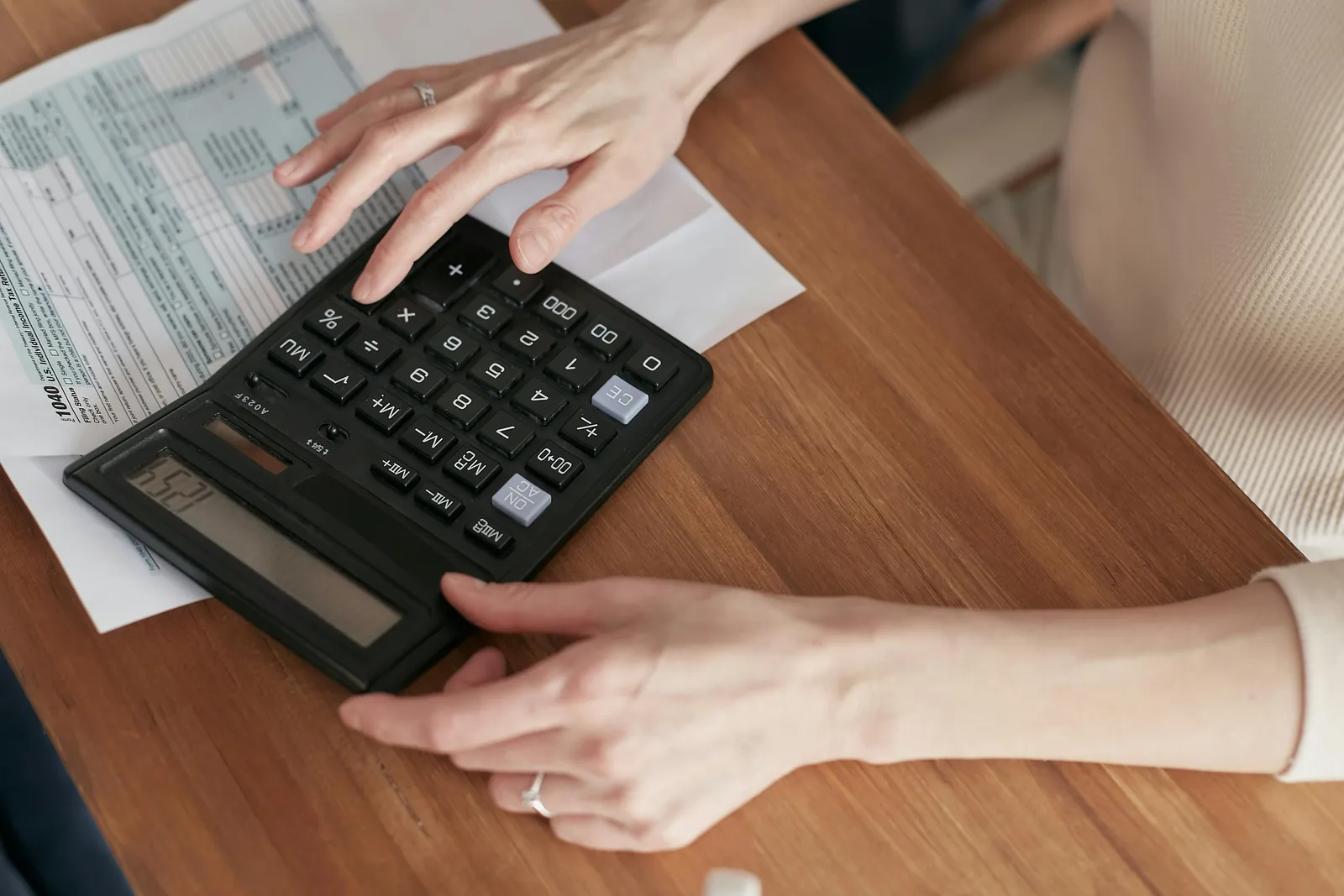
"Time-limited" offers are designed to speed up your decision. Nothing obliges you to accept without checking elsewhere. A weekday event often costs 30% less than a Saturday, so stay strategic.
Inflated prices that are then discounted mislead you about the real reduction. Compare several quotes line by line. A caterer at €120 per person with drinks included avoids the traps of an "€80 bar package" with no breakdown.
"Free" services often hide additional fees. A free sound system may involve connection costs or a technician. Require a detailed quote to avoid unpleasant surprises.
Withholding information makes suppliers more responsive. Without knowing your budget, they put forward more competitive offers. 60% of organisers save 15 to 20% by staying vague about their range.
Concrete savings exist. A seminar at €5,800 instead of €7,000, simply by comparing 4 quotes without revealing the budget. Another organiser saved 30% by quietly playing suppliers off against each other.
Sometimes you need to reveal your hand. If the ideal supplier is too expensive, propose a realistic range. "I am working with €3,500-4,500, can you adapt your offer?" without blocking the negotiations.
Mastering negotiation with event suppliers comes down to three key steps: setting a realistic budget, staying vague about your financial limits and exploring young agencies ready to adapt.
By comparing quotes and using strategic phrases from your first exchanges, you will optimise your costs without sacrificing quality. The goal is simple: lock in advantageous rates to guarantee the success of your event, while keeping some margin for the unexpected.
A good negotiation costs nothing... but pays off handsomely!