Contact
Audiovisual solutions

Event sound

Event sound brings together the microphones, sound reinforcement and control needed to make your speeches and your music heard.Chroma adapts the whole set-up to your venue, your audience and the key moments of your event.

PA · flown loudspeakers
Clear voices
audible throughout the room
Venue under control
acoustics anticipated before show day
Dedicated sound control
sound operated throughout the event
Plan B in place
mics, RF and critical signal chains secured
Discuss your project
What we handle

What your event sound includes

Whatever the format, we adapt three components to your event: the venue survey, the audio system and live sound control.

Acoustic survey

Analyse the reverberation, dead spots and constraints of the venue to define sound coverage and layout.

A system suited to the venue
  • Acoustic analysis of the venue: study of the spaces, identification of critical areas, measurement of reverberation time.
  • Sound mapping: 3D modelling of propagation, calculation of coverage angles, strategic placement of loudspeakers.
  • Constraints study: analysis of architectural limitations, compliance with sound level regulations, adaptation to the specifics of the venue.
  • Detailed technical plan: layout drawings, equipment list, audio connection diagram and installation schedule.
Sound engineering

Size the PA, microphones and audio processing, then plan backups and integration with the other equipment.

A coherent audio chain
  • System architecture: overall design, choice of technologies, amplifier sizing, integration of DSP processors.
  • Acoustic processing: tailored parametric equalisation, correction of room defects, optimisation of speech intelligibility.
  • Redundancy & safety: automatic backup systems, duplication of critical elements, instant switchover protocols.
  • Technical integration: connection to existing systems, compatibility with video and lighting, centralised control at the control position.

Show day operation

Mix the sources live, support the speakers and adjust levels during the event. Plan recording according to your needs.

Sound operated live
  • Live mixing: real-time multi-source management, voice/music balance, adaptive dynamic processing.
  • Monitoring & adjustments: continuous level monitoring, spectral analysis, instant corrections to suit the room.
  • Speaker management: coordination with speakers, technical briefing, radio mic management, discreet assistance.
  • Recording & distribution: multitrack recording, high-quality audio streaming, digital archiving, post-production.
Your event, your challenges

Sound designed for your format

Speeches, atmosphere or remote broadcast: the set-up is built around what your audience needs to hear and experience. Microphones, PA and sound control are adapted to each format, to the constraints of the venue and to the key moments of your event.

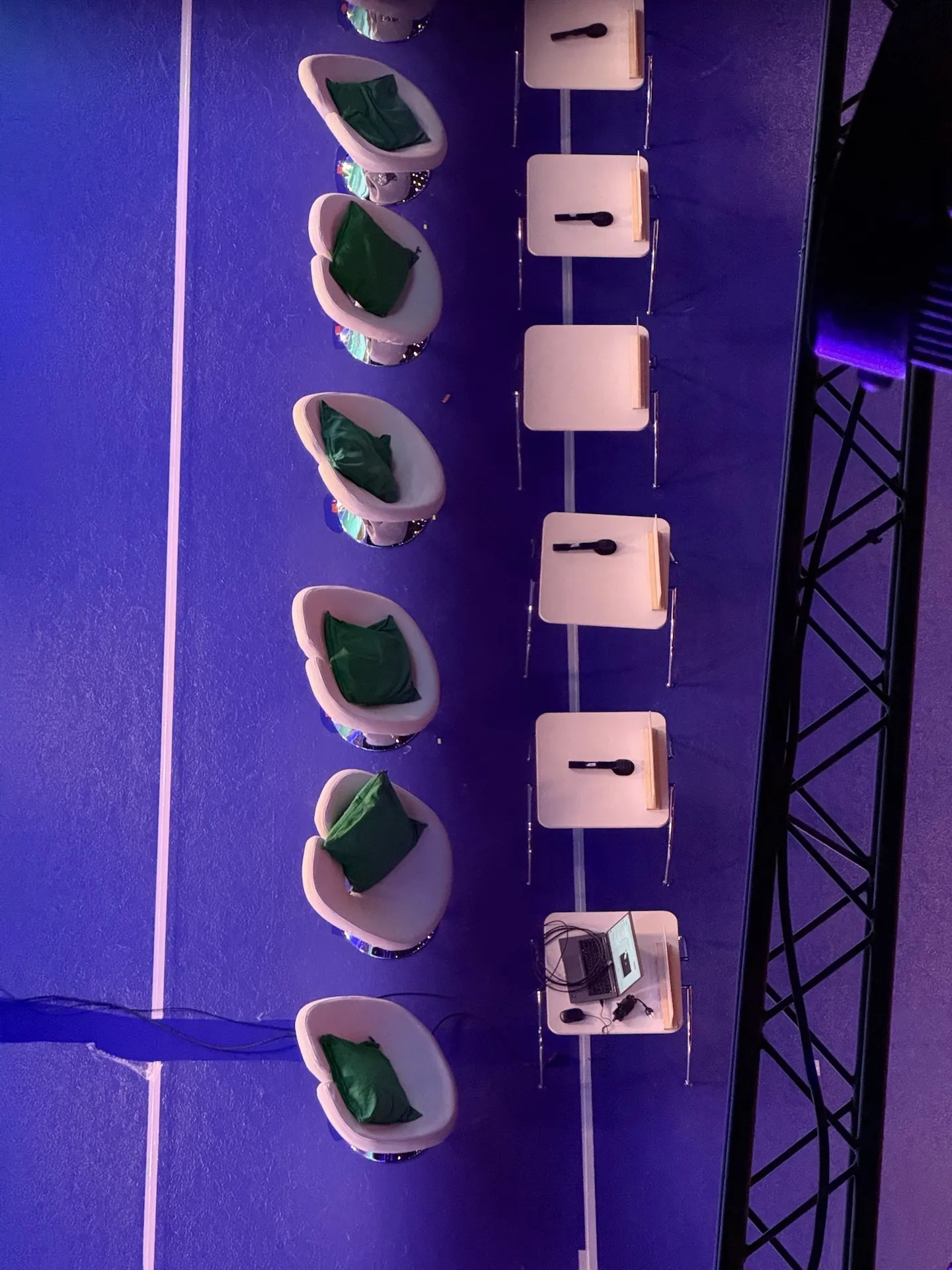
Handheld microphones placed on the speakers' chairsThe voice comes first

Conferences & speeches

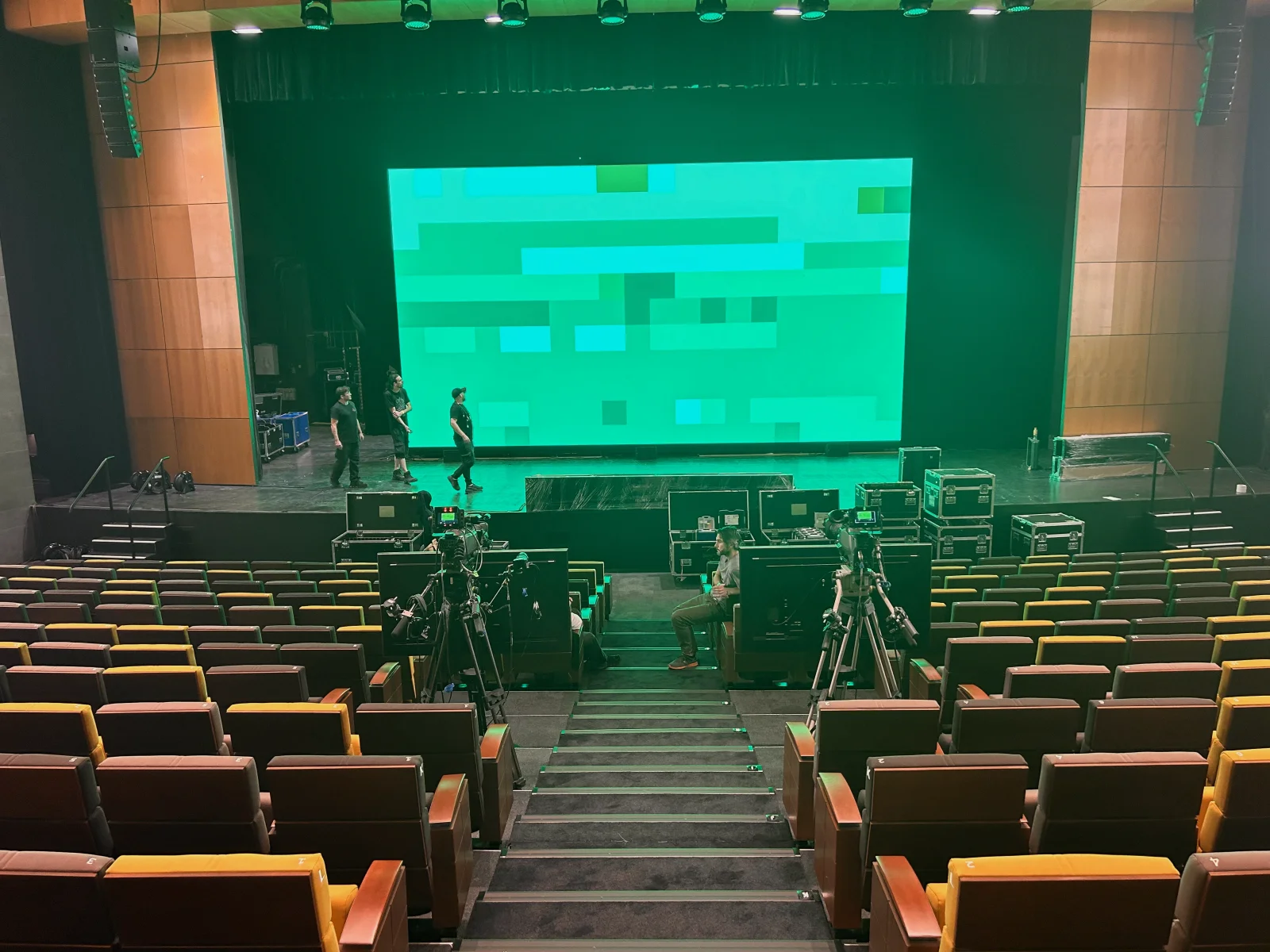
Preparing the audiovisual set-up at the Microsoft AI TourSmooth key moments

Corporate conventions

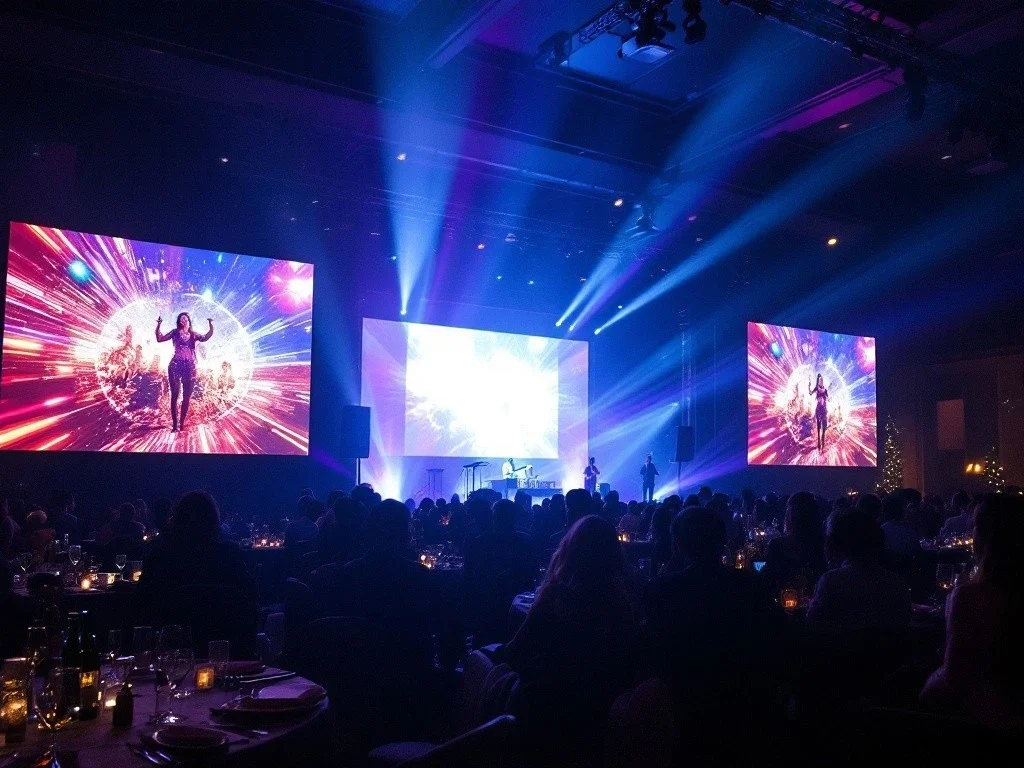
Illustration of an evening event with tables and a lit stageThe right atmosphere

Parties & galas

Sound operators wearing headphones in the control roomIn the room and remotely

Hybrid events

A brief to validate? Reply within 24 working hours: a tailored study and a clear proposal, with technical constraints addressed from the outset.
Request a quote
Our method

Our Event Sound Method

A proven methodology to design, calibrate and operate your sound system in 4 structured phases, from the acoustic survey to live sound control.

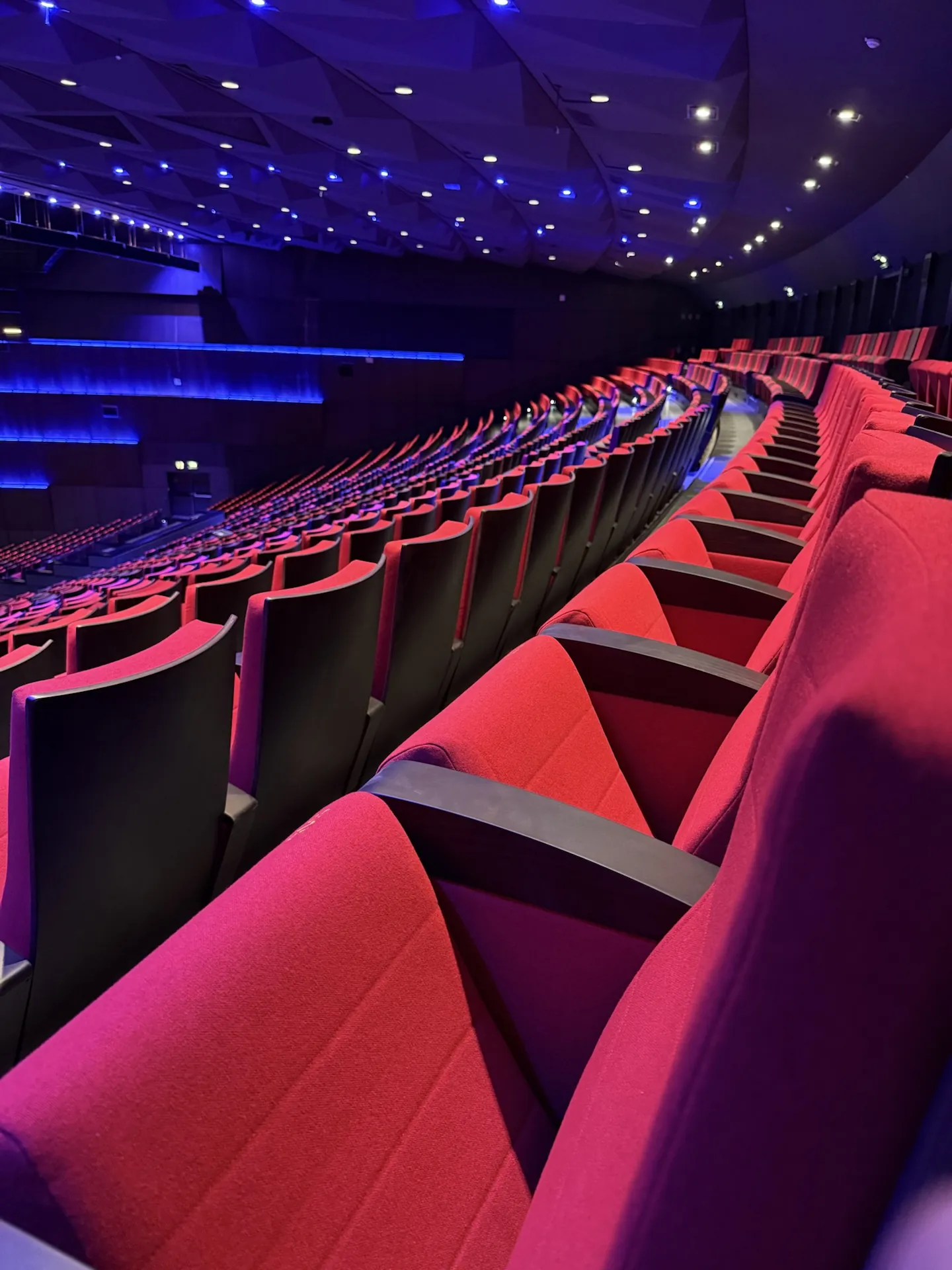
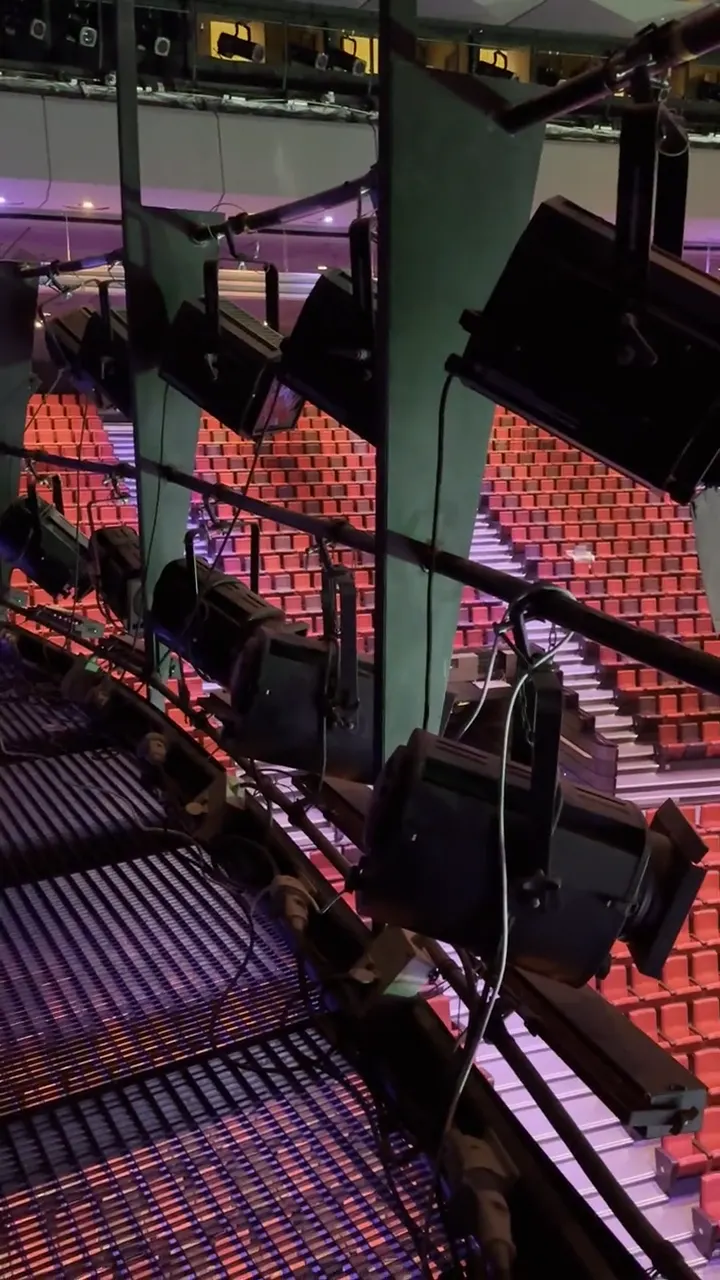
  1. Rows of seats in an auditorium before the acoustic survey
    Survey · the room

    Acoustic survey

    In-depth acoustic analysis of your venue: reverberation, dead spots, architectural constraints. We map the environment to design a system fully suited to your room configuration.

    • Measurement of reverberation time and identification of problem frequencies.
    • 3D modelling of propagation and calculation of coverage angles.
    • Study of architectural constraints and compliance with regulatory dB limits.
    • Detailed technical plan with layout, equipment and connection diagram.
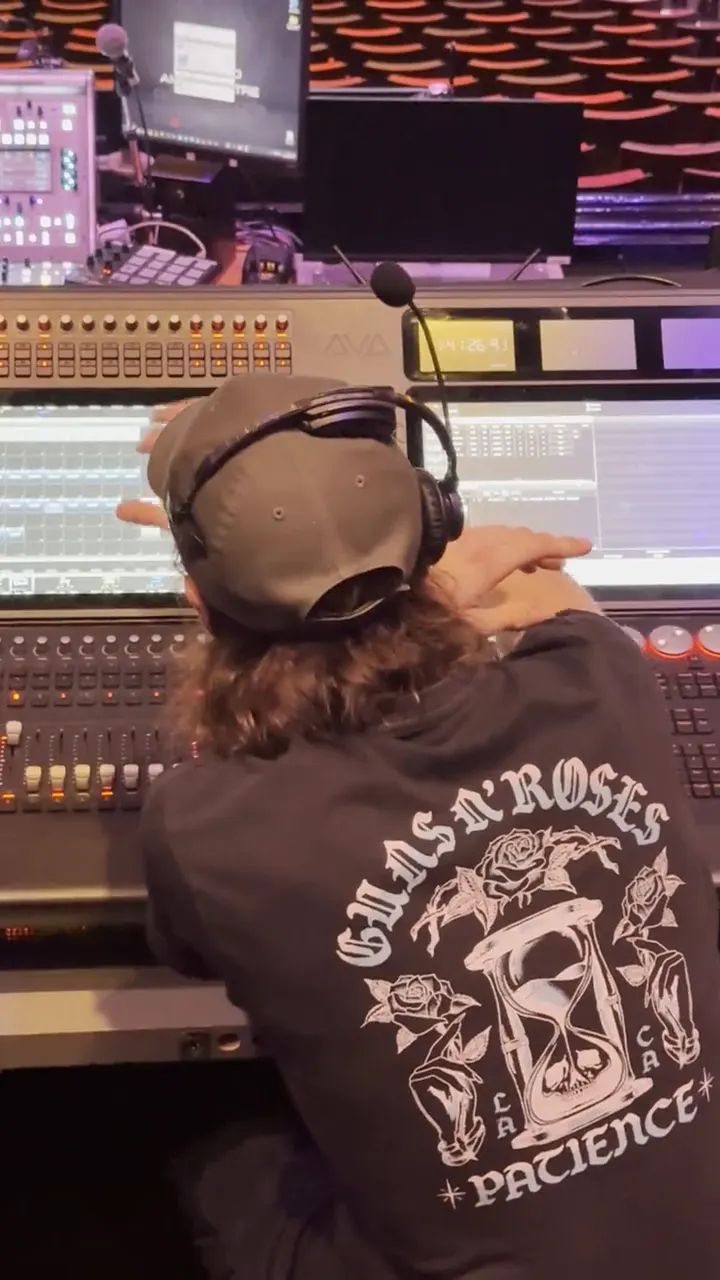
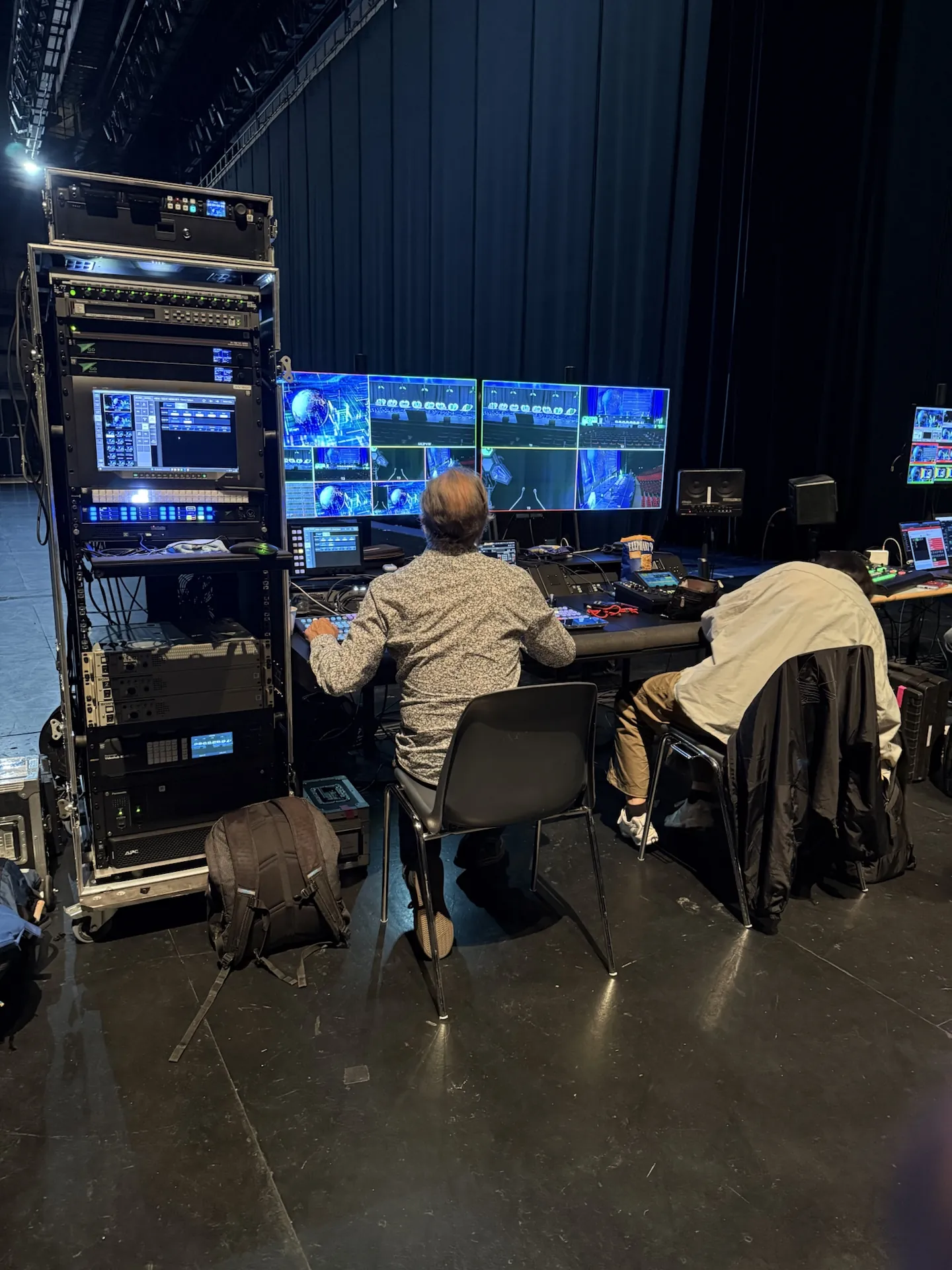
  2. Operator at the mixing desk
    Sound · mixing desk

    Sound engineering

    Integrated system design: choice of technologies, amplifier sizing, high-resolution DSP processors and adaptive line array systems for even coverage.

    • System architecture and choice of protocols (Dante, AVB, AES67).
    • Parametric equalisation tailored to the room's defects.
    • Redundancy & backups: duplication of critical elements, pre-set backup radio mics.
    • Frequency plan coordination with a prior UHF scan and neighbouring bands.
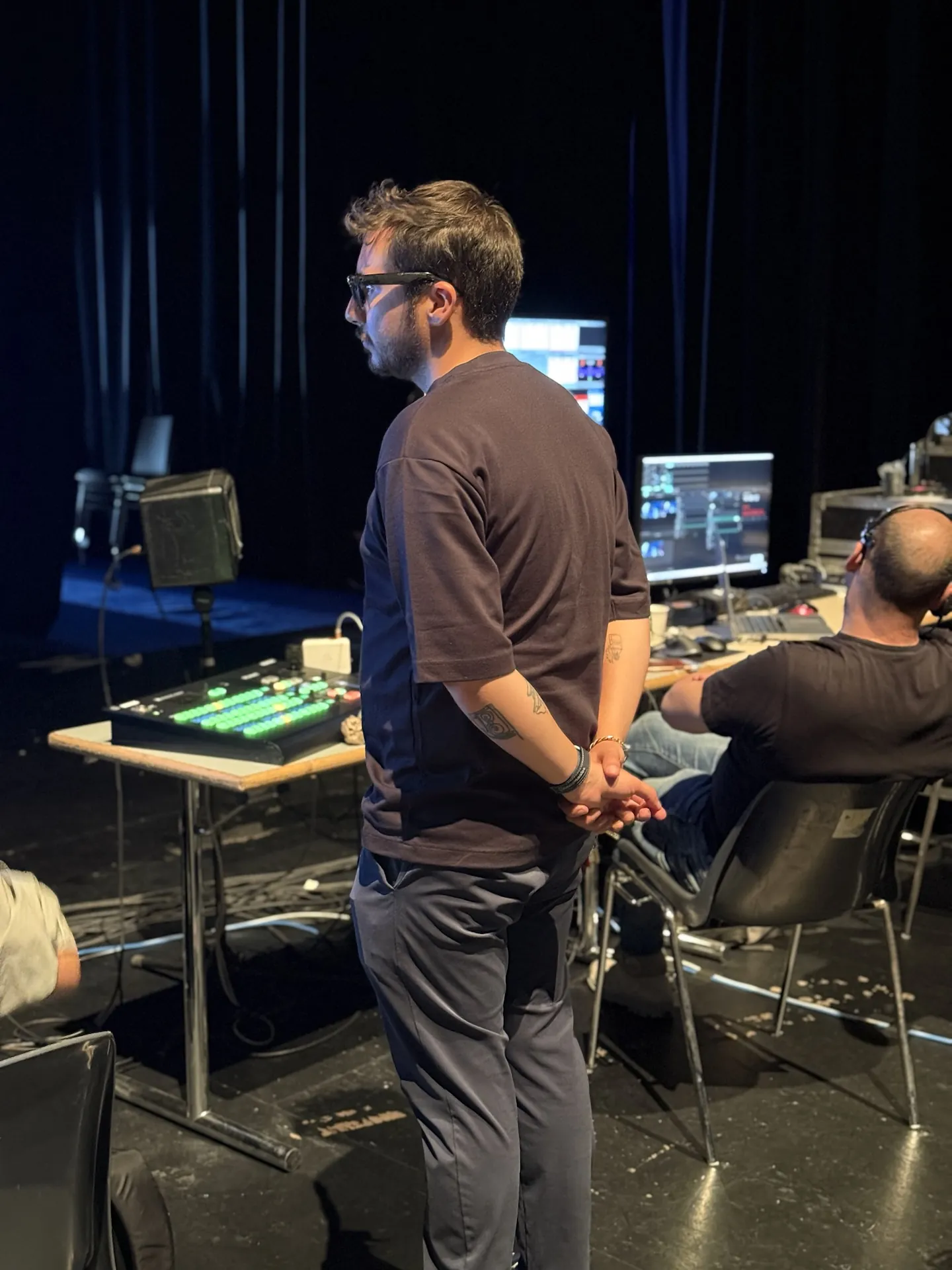
  3. Technicians, cameras and equipment in front of the Microsoft AI Tour stage
    Microsoft AI Tour · technical preparation

    Testing & validation

    Technical validation in real conditions: tests of each source, delay calibration, dB limit checks, dropout simulation to validate backup protocols.

    • Acoustic measurement in the empty room, then adjustment once the audience is in.
    • Radio mic tests with an on-site RF scan and validation of free frequencies.
    • Audio/video synchronisation measured and calibrated end to end.
    • Speaker briefing on microphone technique and optimal distance.
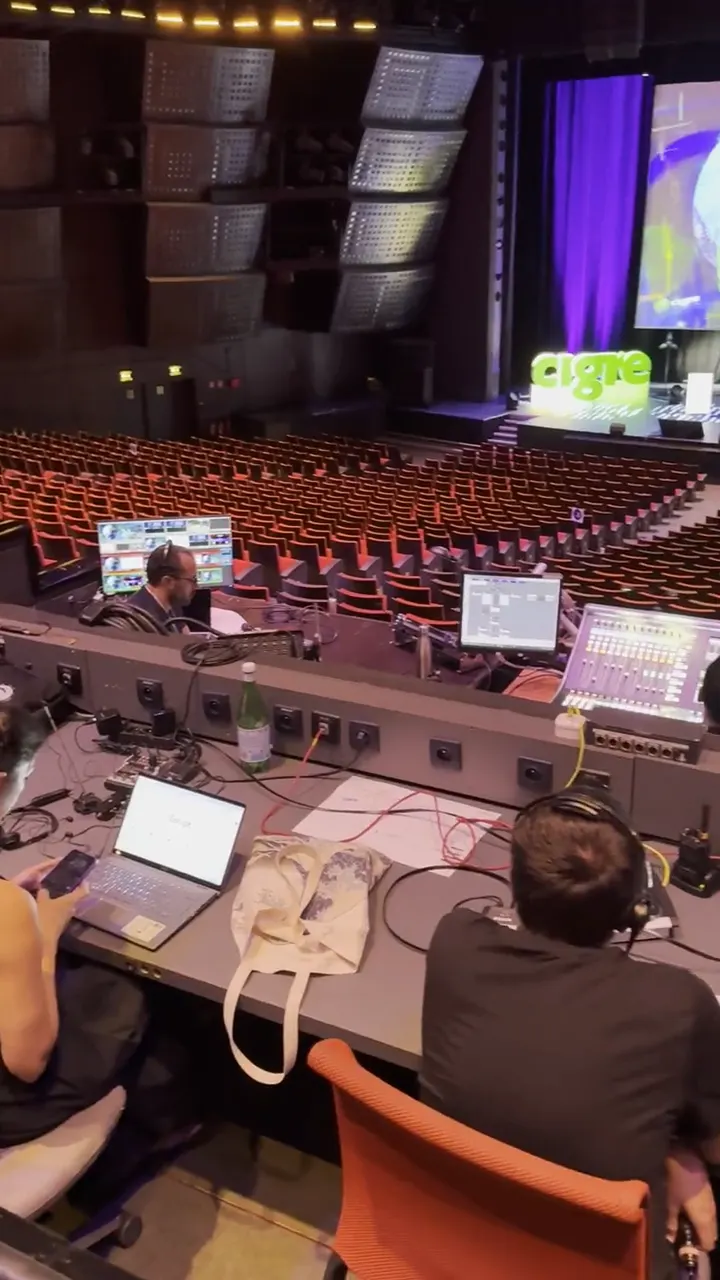
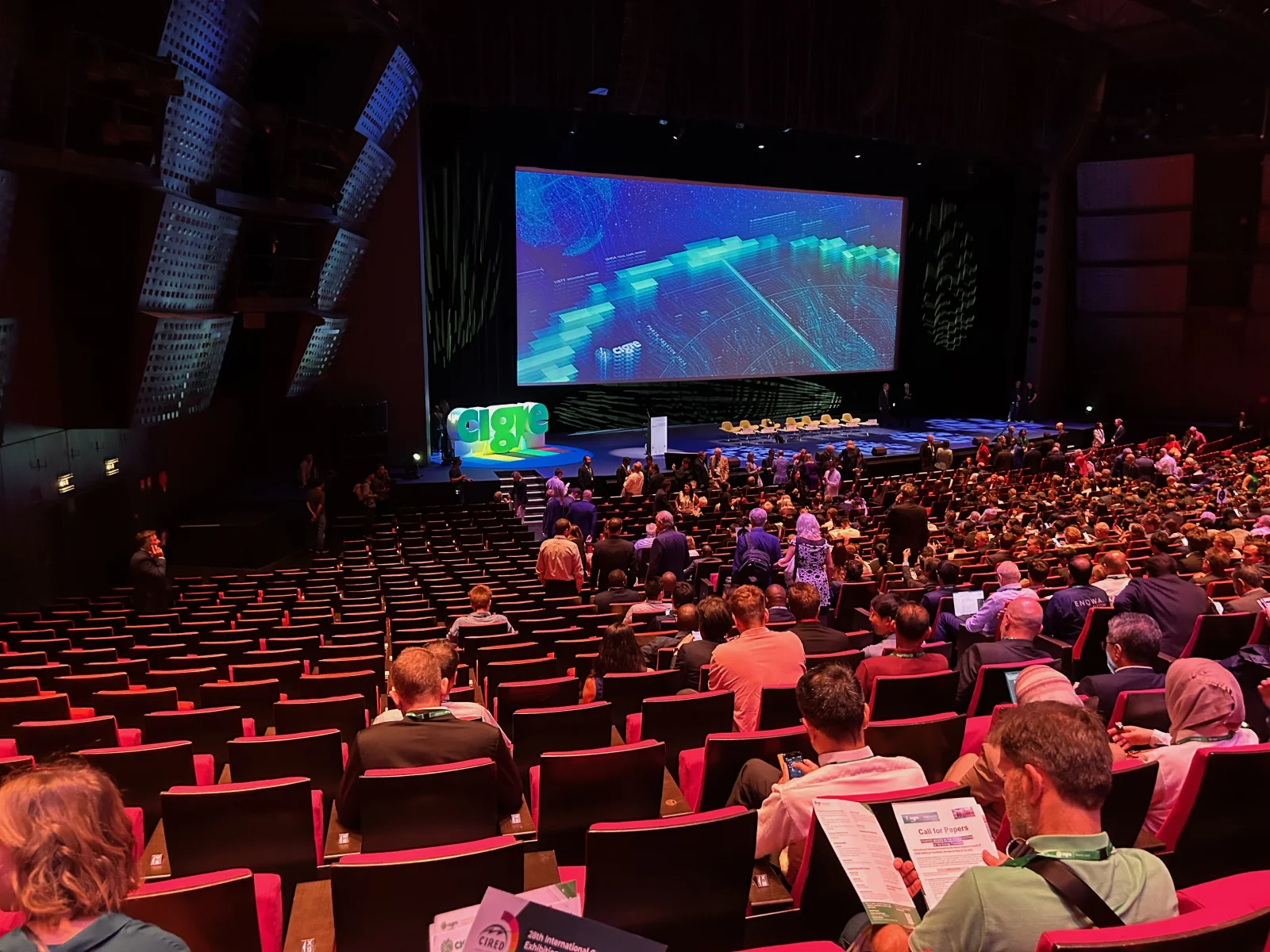
  4. Audience and equipped stage in the CIGRE auditorium
    CIGRE · plenary session

    PA & operation

    Live operation by our sound engineers: multi-source mixing, continuous level monitoring, adjustments according to attendance, smooth handling of speeches and transitions.

    • Live mixing of multiple sources and adaptive dynamic processing.
    • Spectral monitoring and instant corrections to suit the room.
    • Speaker management and switchover to backup mics in case of an incident.
    • Multitrack recording for broadcast-quality archiving and post-production.
Choosing the right supplier

The questions to ask, by pillar

  • Engineering
  • PA

The 4 key questions on the acoustic survey phase to assess how rigorous your supplier is.

Have you measured the RT60 on site?A real measurement changes everything. A generic preset is a sign they have not seen the room.
Is the system tuning documented?Ask for the before/after values. Without an objective measurement, it is done by ear, which is subjective.
Do you model the constraints?3D modelling tools mean a professional. Placement by feel means an amateur. Ask to see the output.
What measurement equipment?A sound level meter plus a spectrum analyser at the very least. A smartphone is a no.
Testimonials

They trust us with their events

What our clients say about working with Chroma Technique and our audiovisual support.

Our experience with Chroma Technique was absolutely perfect. Communication was clear and proactive. Juhel Sangla helped us create an exceptional event by providing lighting, decoration, projection and sound services. A real pleasure to work with professionals. We highly recommend them!

Vyacheslav N.Google review

Thank you Tanguy for your professionalism throughout the project. Your presence and commitment clearly made the difference on this edition; we only had great feedback on the technical side!

Ordinaire RecordsGoogle review

Very high technical standard, good support and very professional. I recommend them!

Eliott L.Google review
Acoustic controlMeasurements in the actual room, then system tuning, never a generic preset.
RF coordinationFrequency plan scanned in advance, pre-set backup mics and a documented switchover.
Broadcast standardsDante / AVB / AES67 chain synchronised with video, 24-bit multitrack recording.
Safety & complianceSound levels measured and limited under French decree 2017-1244, logs handed over after the event.
Frequently asked questions

Frequently asked questions

Answers before you define your project

What is the difference between simple PA hire and a full event sound service?

The difference lies mainly in three aspects:

  • Technical expertise: prior acoustic survey, 3D modelling of sound coverage, tailored audio engineering and handling of acoustic challenges
  • People: dedicated sound engineers, qualified technicians on site, real-time operation and permanent support during the event
  • Guaranteed result: guaranteed even sound quality, systematic redundancy, zero-failure protocol and instant adaptation

Unlike basic hire, which delivers equipment, event sound guarantees a controlled acoustic experience from start to finish.

How do you adapt the sound system to a venue with poor acoustics?

Acoustic adaptation relies on four solutions:

  • Prior analysis: measurement of reverberation time, identification of problem frequencies, mapping of dead spots
  • Acoustic treatment: temporary absorbent panels, mobile acoustic diffusers, bass traps for low frequencies
  • Suitable technologies: directional line array systems, DSP processors with parametric equalisation, digital delays for synchronisation
  • Expert operation: real-time adjustments, dynamic level management, adaptive mixing according to attendance

Our expertise turns acoustic constraints into assets to create a controlled sound field, even in the most difficult spaces.

Can wireless microphones suffer from interference?

Radio mic reliability rests on four technical safeguards:

  • Frequency scan: prior analysis of the radio spectrum, selection of free frequencies, coordination with other RF equipment
  • Radio systems: diversity technology (dual reception), digital signal encryption, frequency band dedicated to events
  • Redundancy: pre-set backup mics, fresh batteries every time, permanent monitoring of reception quality
  • Field expertise: optimal antenna placement, management of critical distances, anti-dropout procedures

With proper zero-failure preparation, interference problems belong to the past of event sound.

Can the event be recorded for later distribution?

Recording covers three levels:

  • Multitrack recording: separate recording of each source (mics, music, ambience), broadcast format 24-bit/48 kHz
  • Optimised mixing: separate room/recording mixes, broadcast processing (compression, equalisation), mastering suited to the final medium
  • Output formats: WAV files for video editing, streaming optimised for web replay, audio podcast for deferred distribution

This broadcast audio approach lets you make the most of your content well beyond the event, with studio sound quality.

What is the difference between equipment hire and an event sound service?

Hire supplies equipment. An event sound service also covers the acoustic survey, system choice, installation, tuning, show operation and backup plans.

How do you adapt the acoustics to a difficult space?

You need to analyse the venue, anticipate dead spots, adapt the PA, set the delays and plan monitoring throughout the event.

How do you make radio mics reliable?

Reliability comes from a frequency plan, on-site RF scans, backup mics and a control team able to react quickly.

Can the event be recorded?

Yes, if the need is defined in the brief: sources to record, expected quality level, rights, deliverables and post-event use.

Beyond sound