Contact
On-site coordination

Event Production Management

The production manager coordinates everyone working on your event on site: technicians, operators, decor, caterer, reception, venue teams.A production meeting beforehand, then a continuous presence from build to de-rig.

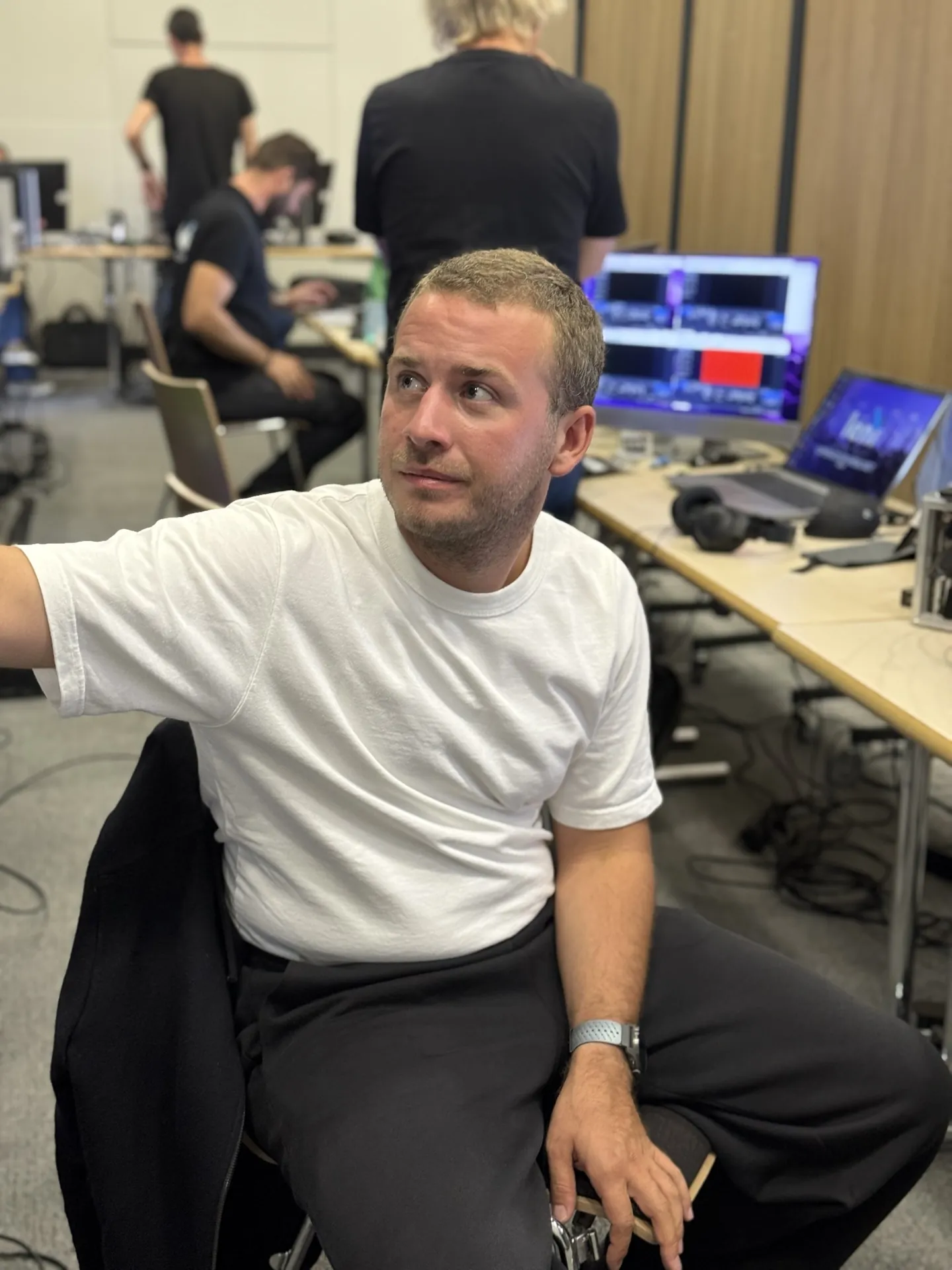
Sound control · operators monitoring
1 meeting
production meeting before the event
1 point of contact
on site, from build to de-rig
Every trade
coordinated, technical or not
Let's talk about your event
What we take on

What your Event Production Management covers

The production manager does not design the technical set-up: plans, calculations and technical responsibility belong to the technical direction. The production manager's job is to get everyone involved in your event working together on site.

The technical teams

Sound, lighting, video and stage technicians and operators, plus the stage managers for each space.

Who it coordinates
  • Arrivals, installation and line checks
  • Changeovers and transitions
  • The cue given to each team
  • The link with the control room and filming
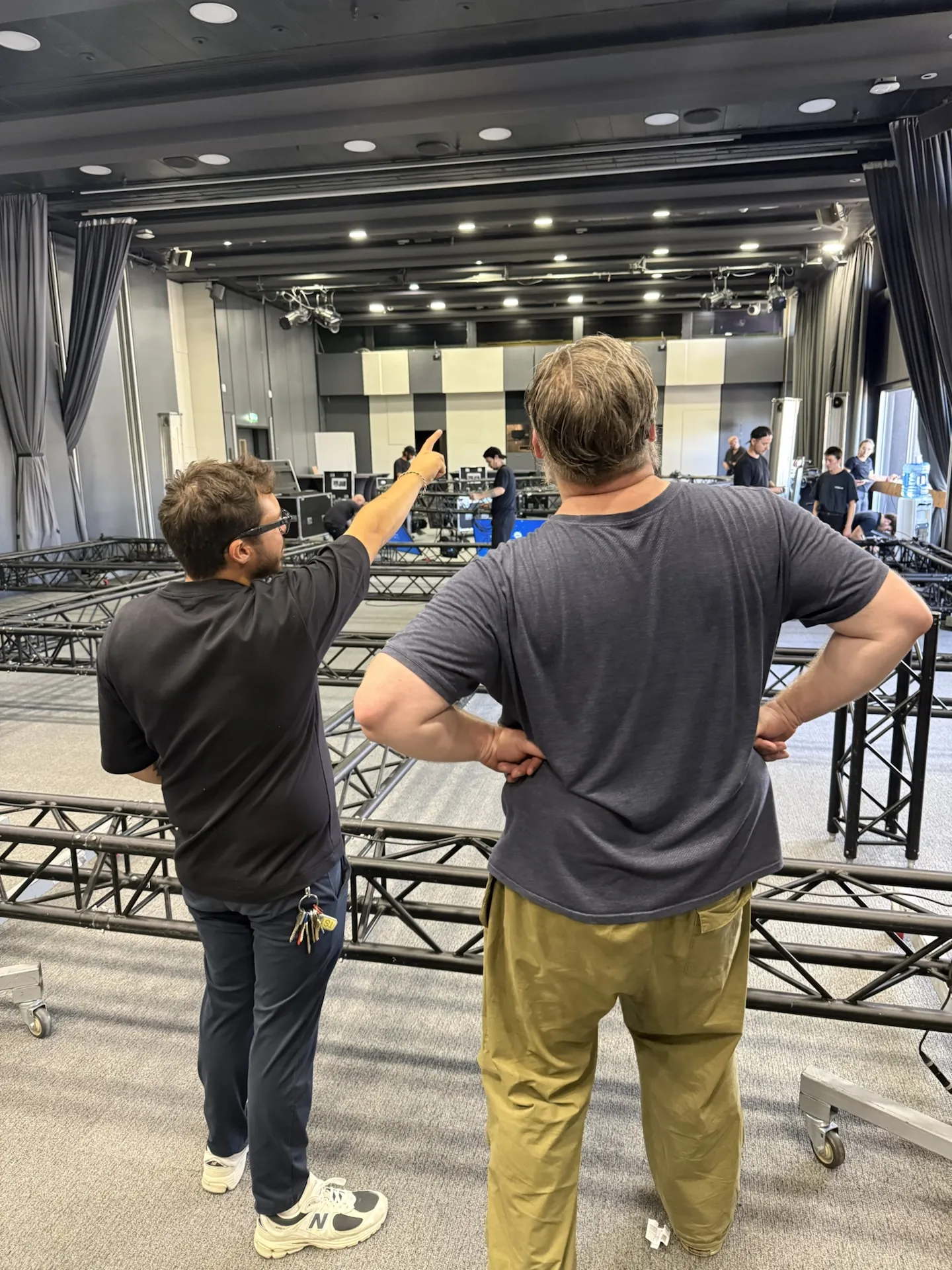
Site visit to mark out the structure layout with the build crew

The other trades

Everything that is not technical but must follow the same running order.

Who else it coordinates
  • Decorators and set designers
  • Caterer, hosts and reception
  • Security and venue teams
  • Speakers on stage
A Chroma partner, your point of contact, in the control room

The link with you

One on-site contact who knows who decides what, and who passes technical questions up to the technical direction.

How decisions flow
  • Your decisions passed on to the teams
  • Technical questions passed up to the technical direction
  • A check-in with you at every key stage
Your event, your priorities

Stage management matched to the pace of your event

A coordinated event. Every team knows the running order, its schedule and its point of contact.

On show day, the production manager sets the pace: transitions follow on smoothly and the unexpected is dealt with before your guests notice.

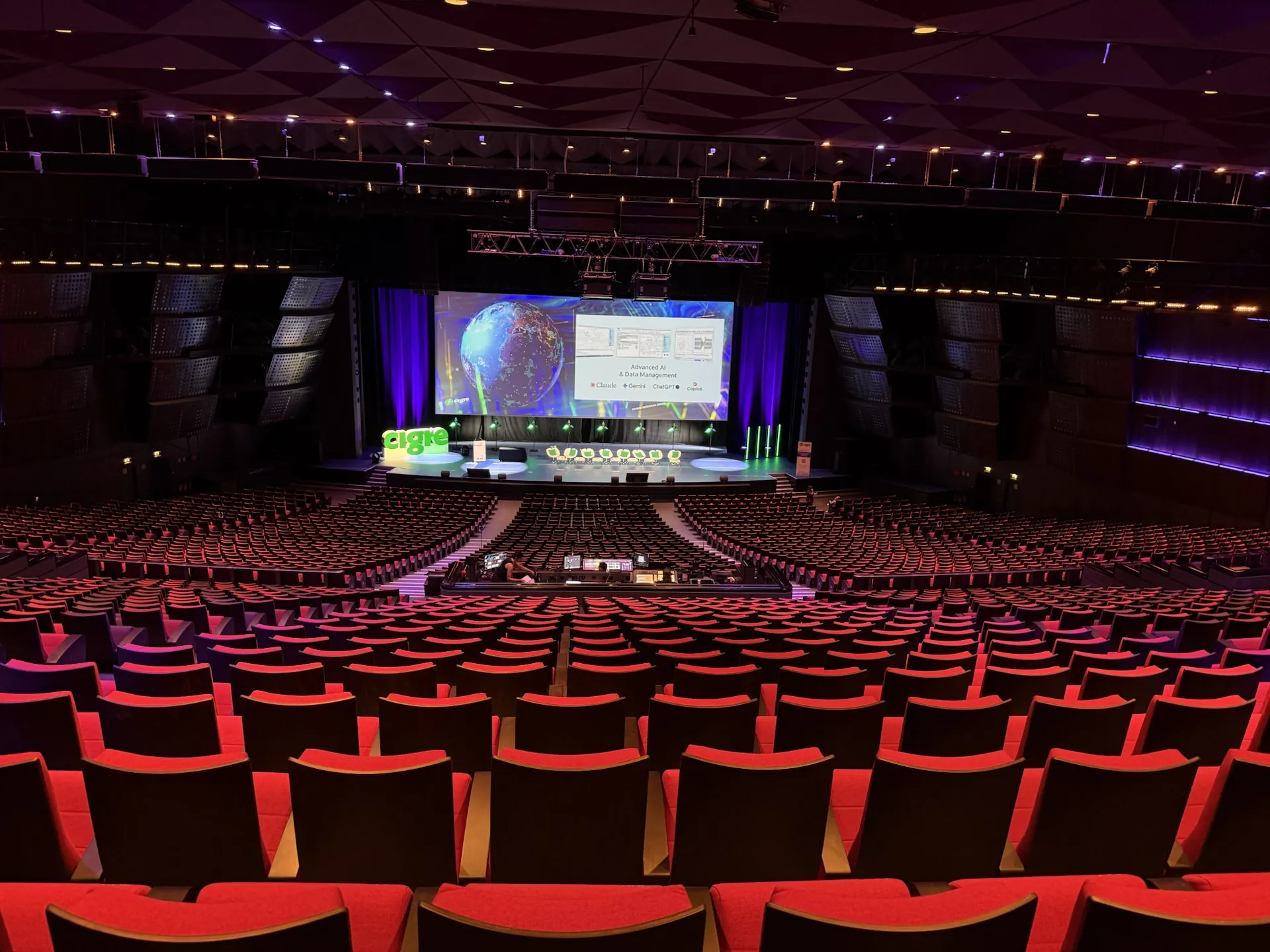
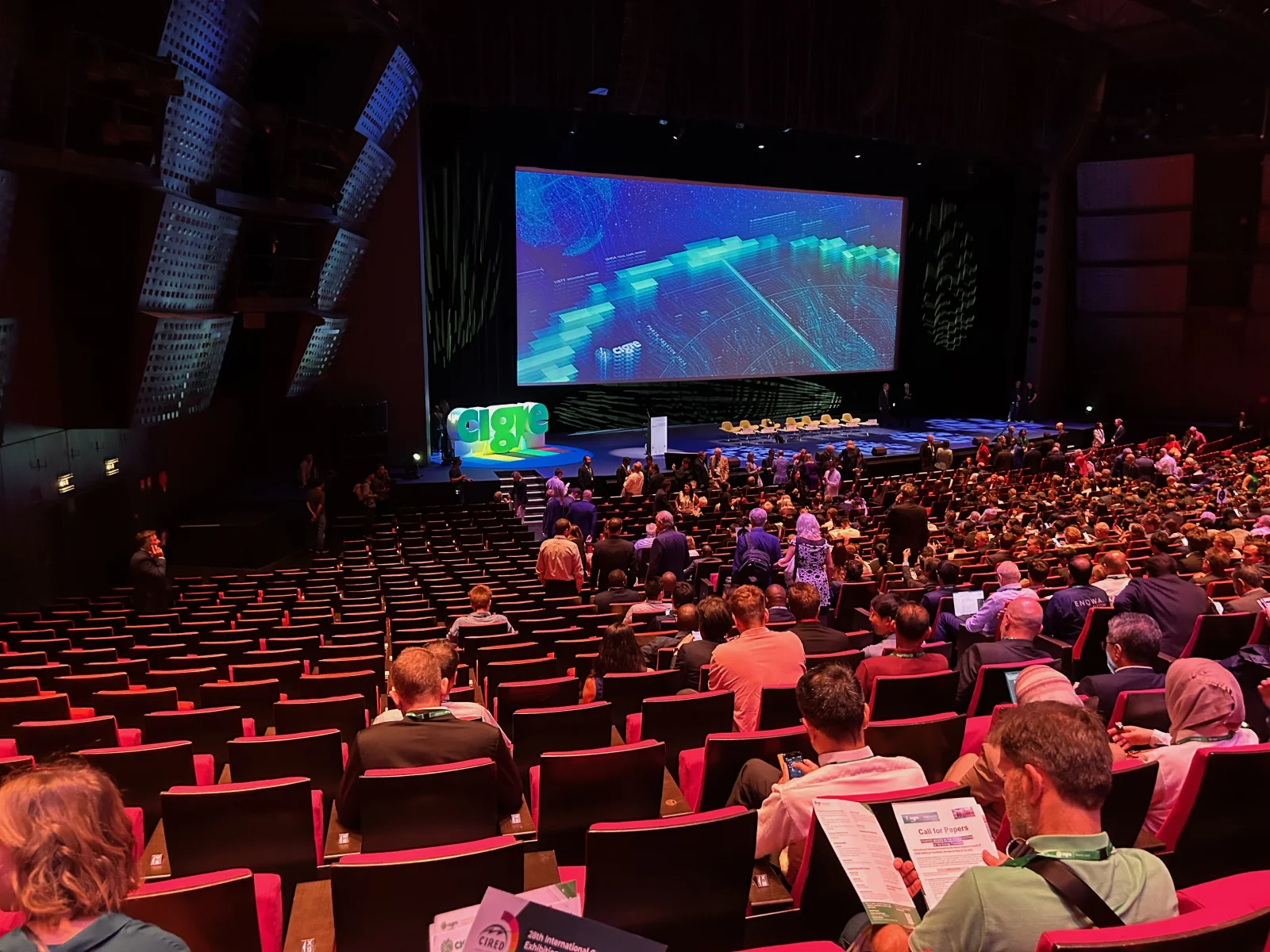
View from the back of the room towards the stage and screenOne shared running order

Conventions & plenary sessions

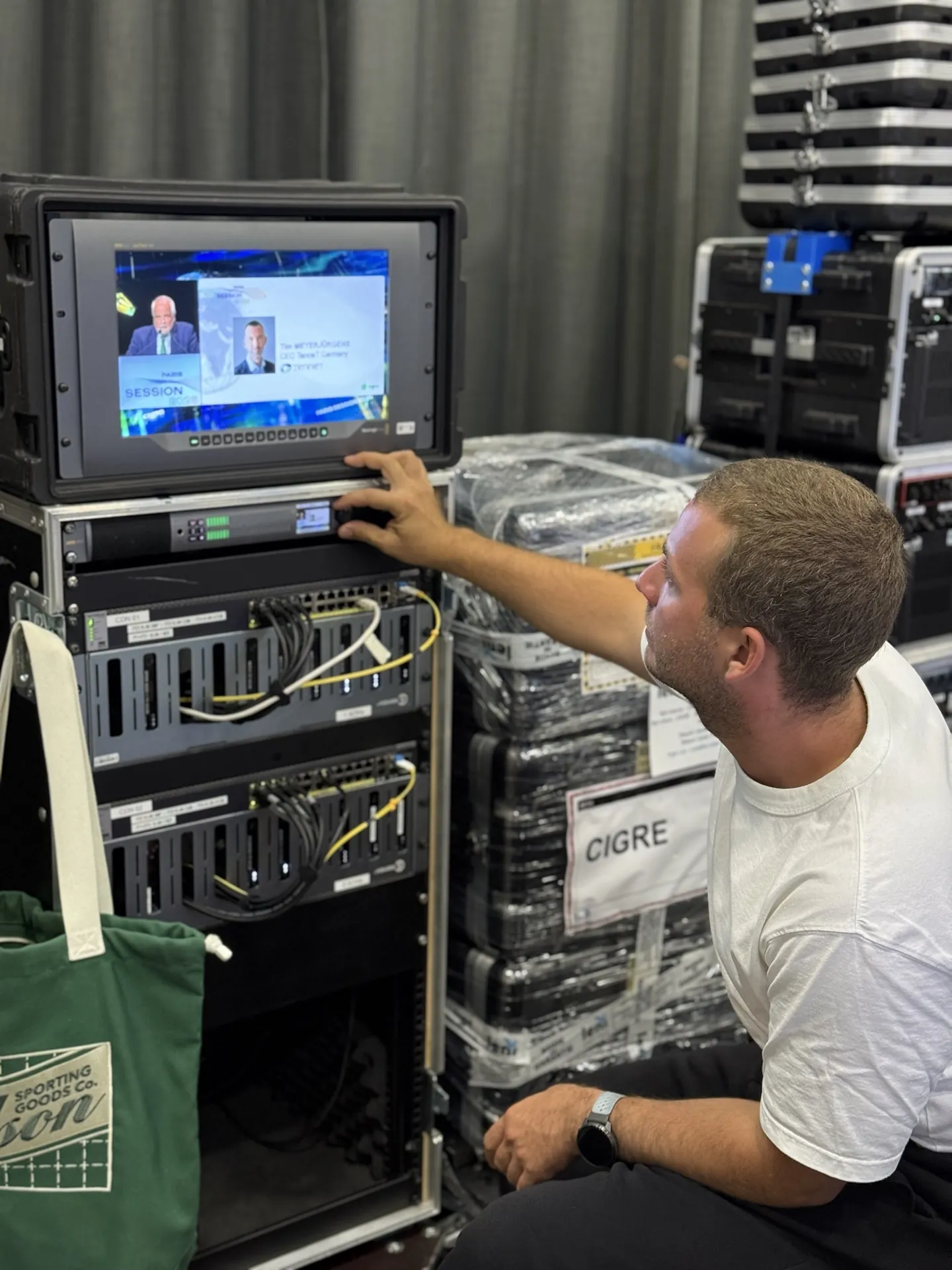
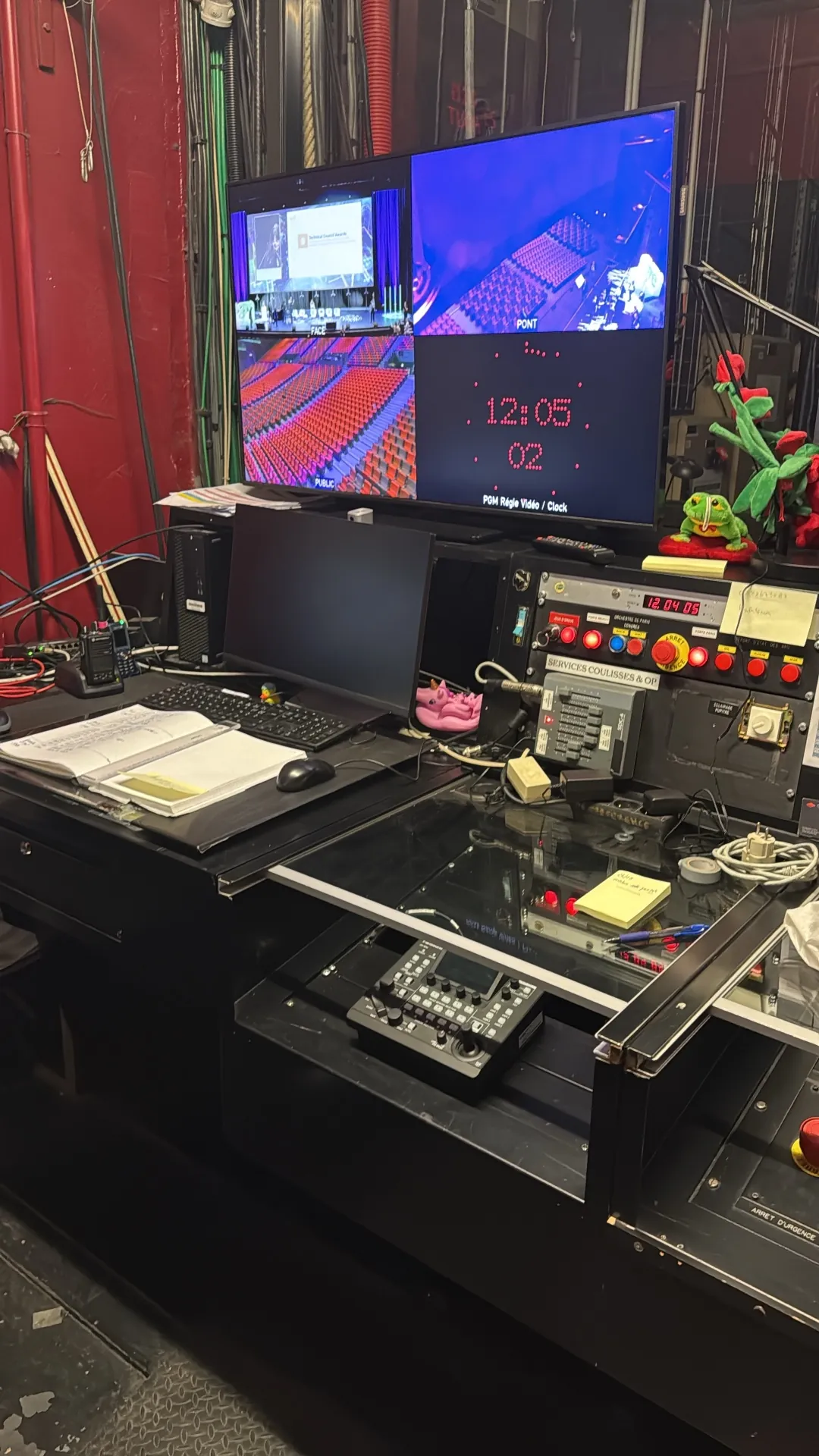
Technician checking a rack and its control monitorCoordinated teams

Multi-space events

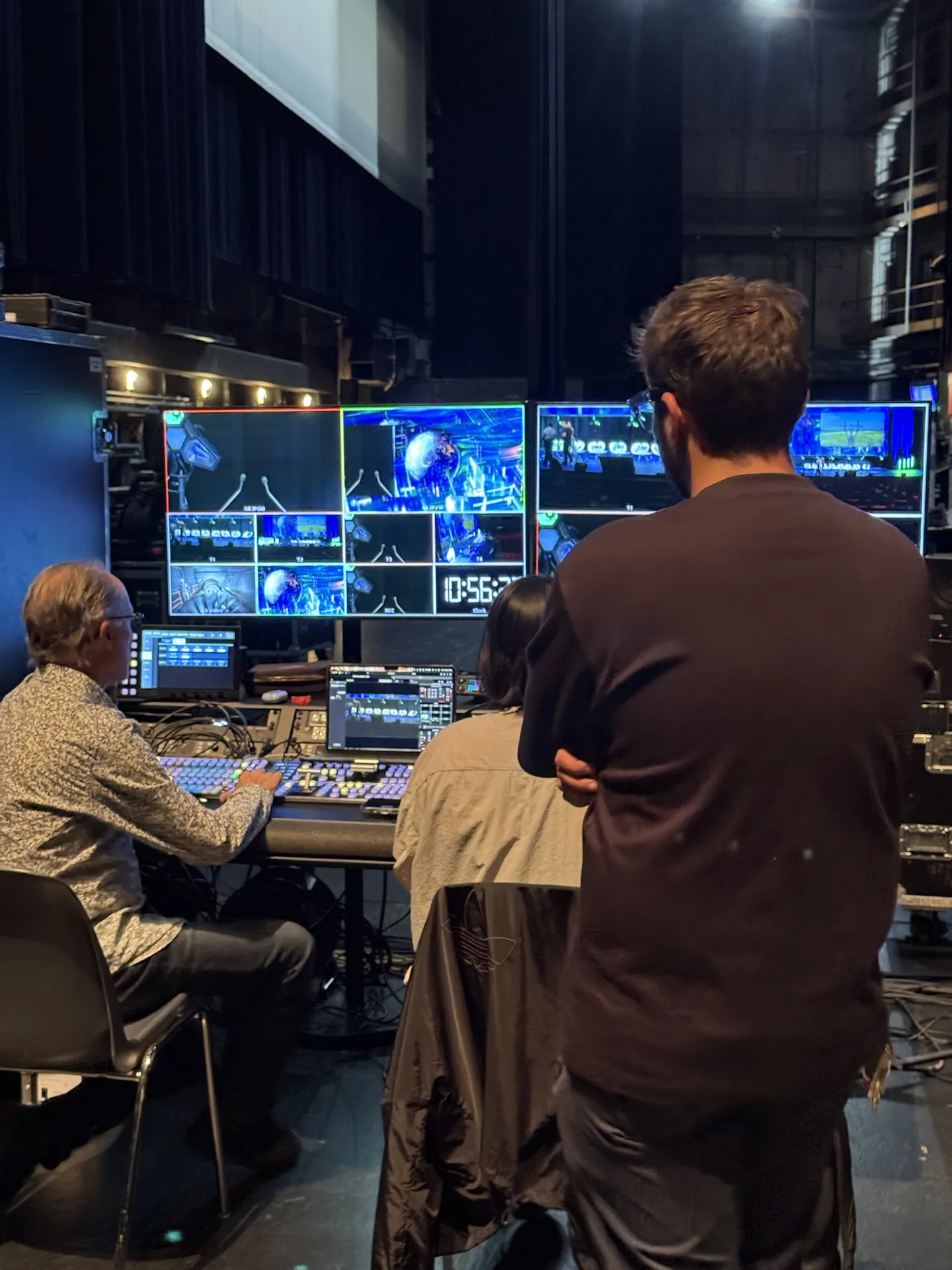
A partner supervises the video control room during the live showCentralised control

Live & hybrid productions

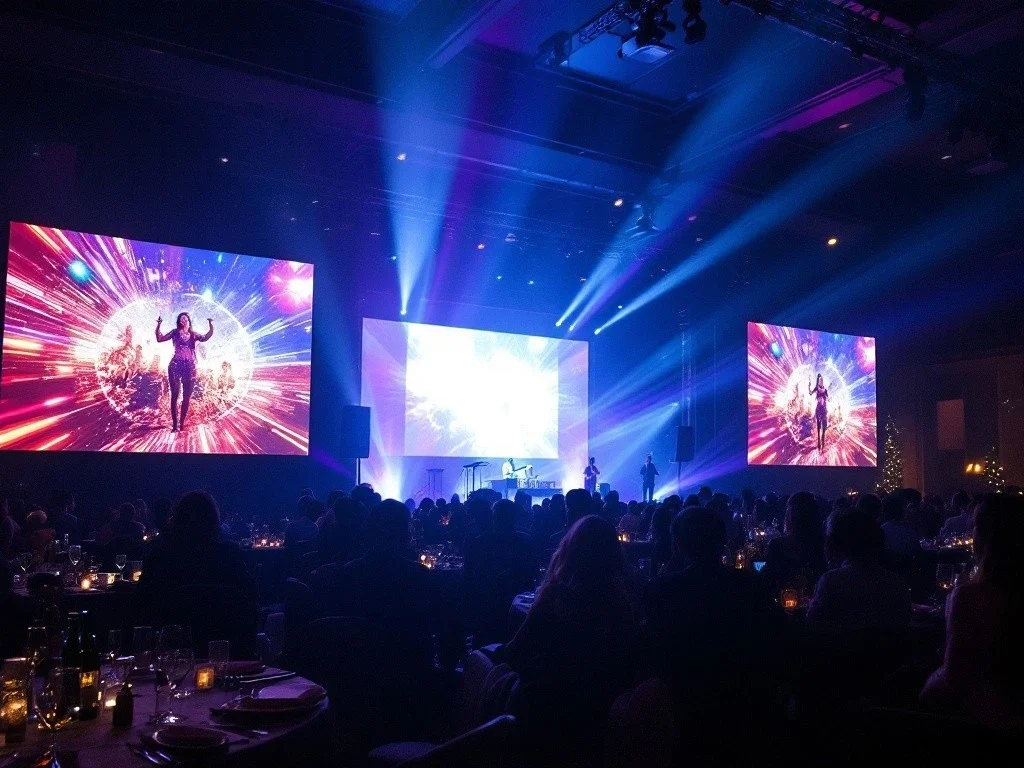
Illustration of an evening function with tables and a lit stageFrom preparation to the field

Cultural events & evening functions

Our method

The three stages of Event Production Management

Before, during and after the event: Event Production Management supports your event on the ground.

  1. Before · layout plans

    Before: the production meeting

    A meeting before the event brings together the venue and the suppliers. It sets the running order, the schedule and everyone's role.

    • Shared running order: the programme sequence by sequence, known to every team.
    • Schedules and access: deliveries, build, rehearsals, doors opening.
    • Contacts: who decides what, and who to call when needed.
    • Venue rules: operating rules and safety obligations to be enforced.
    a production meeting
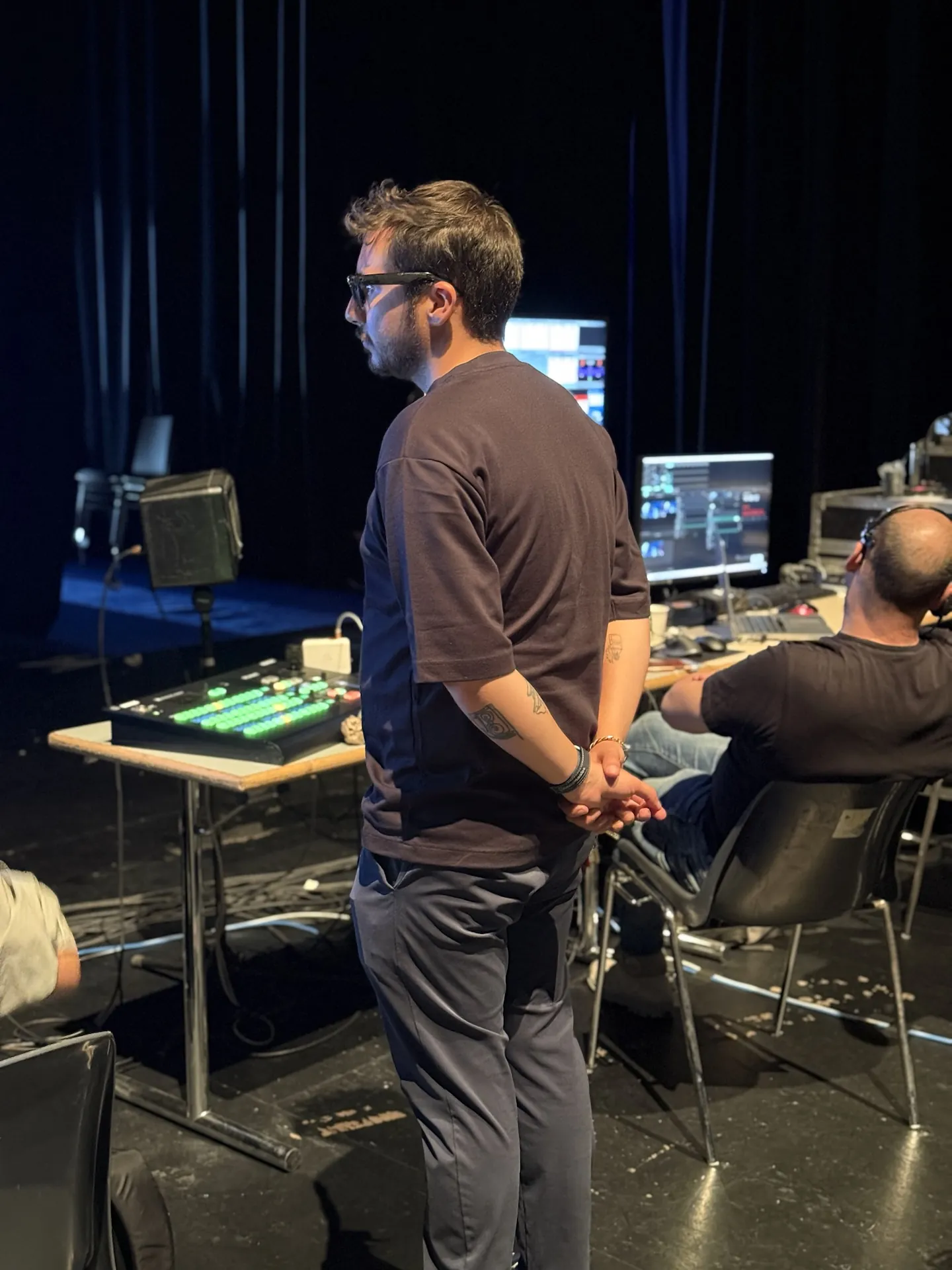
  2. Stage management desk with control screens
    During · stage management desk

    During: on-site coordination

    The production manager is on site from build to de-rig. They coordinate every team and keep the running order on pace.

    • Build: coordinating arrivals and installation, within the venue's schedule.
    • Show operation: sequences, changeovers, a cue given to each team.
    • The unexpected: quick decisions, in direct contact with each supplier.
    • Safety: compliance with venue rules and operating rules. Security can also be entrusted to specialist suppliers from our network.
    continuous presence
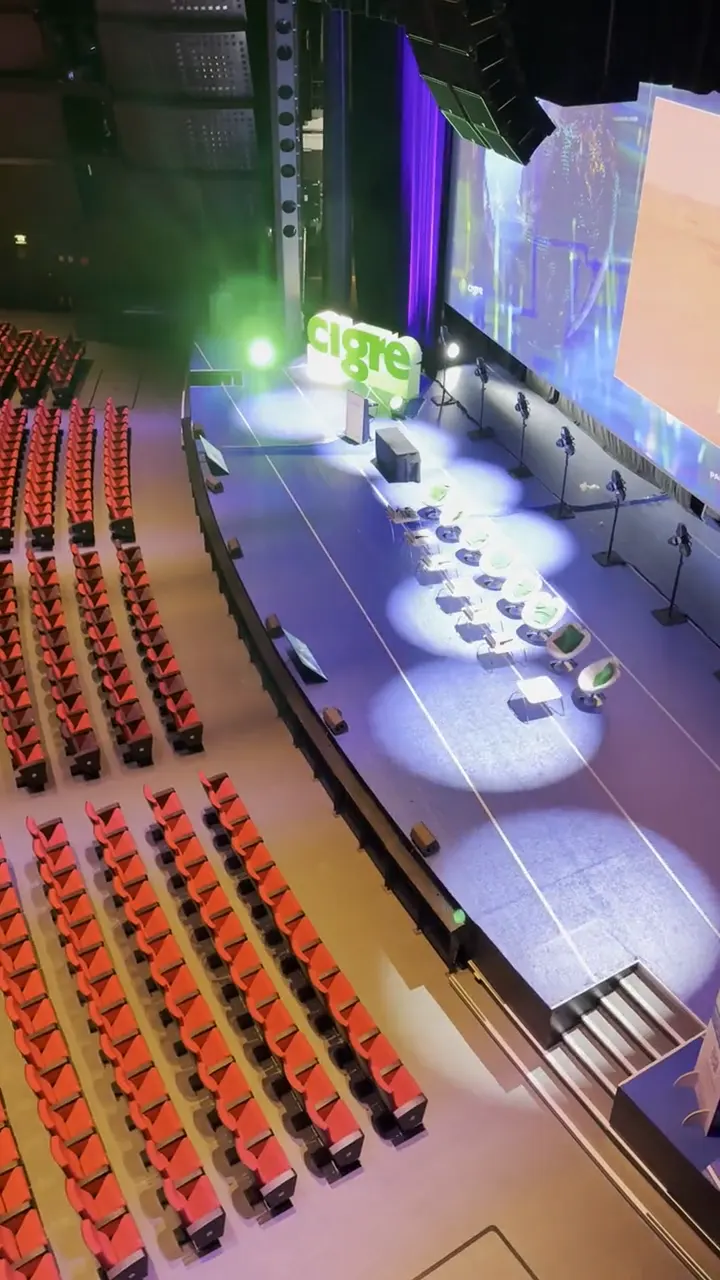
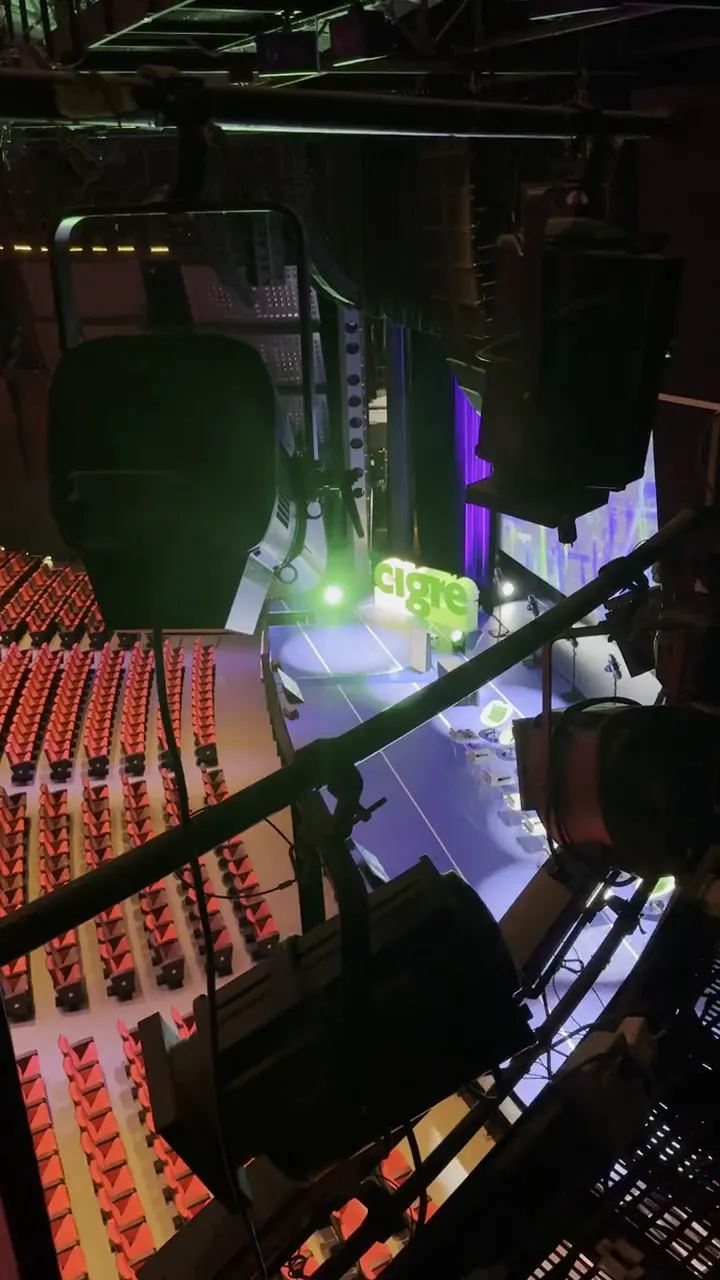
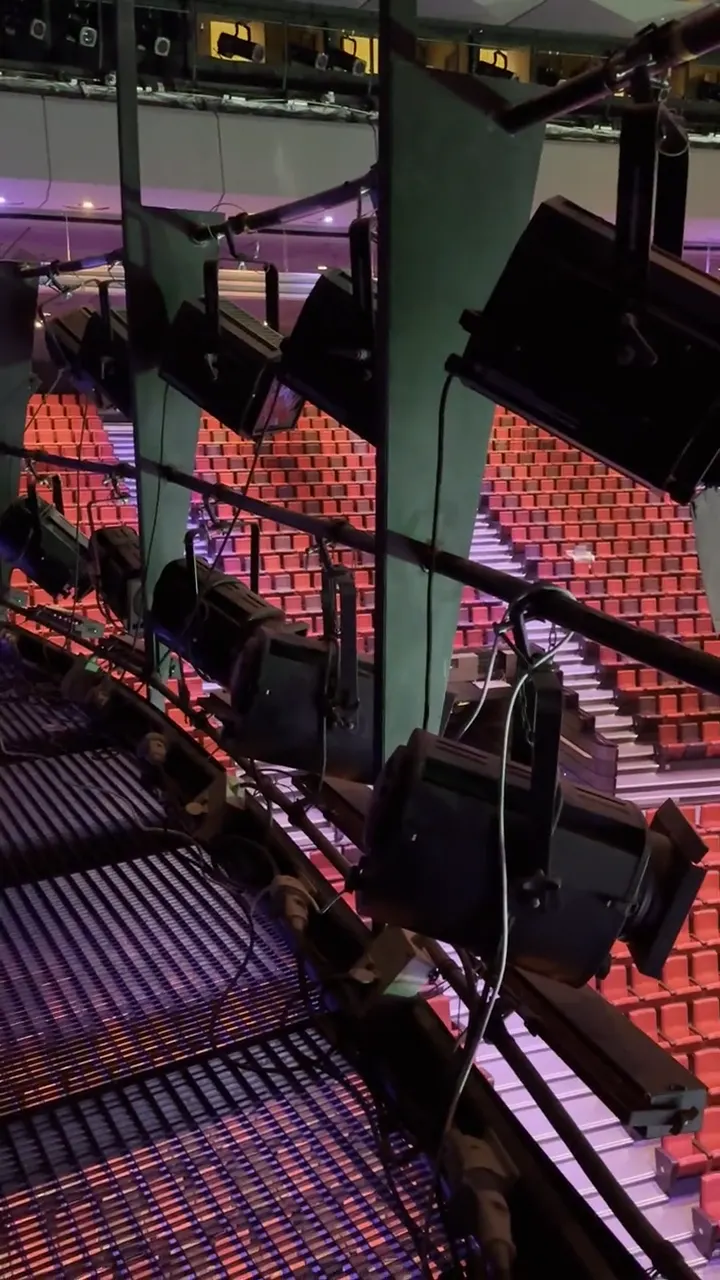
  3. Audience and equipped stage in the CIGRE auditorium
    CIGRE · plenary session

    After: de-rig and venue handover

    The event ends when the venue is handed back. The production manager coordinates the de-rig and reviews the event with you.

    • De-rig: on time and with respect for the venue.
    • Venue handover: checking the spaces with the venue teams.
    • Debrief: what worked well, what to adjust next time.
    a venue handed back, a shared debrief

Would you like to entrust the stage management of your next event to us?

Let's talk about your event
Testimonials

They trust us with their events

What our clients say about working with Chroma Technique and our audiovisual support.

Thank you Tanguy for your professionalism throughout the project, your presence and commitment clearly made the difference on this edition, we only had great feedback on the technical side!

Ordinaire RecordsGoogle review

It is always a pleasure to work with Juhel. Always looking for solutions to move your services forward.

Damien E.Google review

I was lucky enough to work with Juhel, who is a true professional. Looking forward to working with you again!

Kevin M.Google review
A technical direction behind the production managerWhenever a technical question arises, our production manager relies on our technical director.
Venues we knowParis, Nice, Monaco, Strasbourg, Baden-Baden: access, schedules and constraints known before show day.
Used to congresses and multi-room eventsJournées Dermatologiques de Paris, Journées Francophones de Radiologie: several rooms, simultaneous sessions.
Production managers who come from the fieldTrained in sound, lighting and video, they speak each team's language.
Frequently asked questions

Frequently asked questions

The answers before you entrust us with your Event Production Management.

When do you need a production manager?

As soon as several teams have to work together on site: technicians, decor, caterer, reception, venue teams. The more contributors and key moments there are, the more useful Event Production Management becomes.

Ideally, the production manager is appointed before the production meeting.

What is the difference between a production manager and a technical director?

The technical director designs the technical set-up: they draw up the plans, load calculations and structural calculations, select the suppliers and carry the technical responsibility.

The production manager coordinates everyone on site. They advise, but do not draw up the plans or carry the technical responsibility. On a small event, the technical director can take on both roles.

Does Event Production Management replace the project manager?

No. The project manager runs your whole event, from brief to debrief. The production manager handles coordination on the ground, on show day.

Does the production manager handle the equipment?

They do not choose the equipment: that is the role of the technical direction. They coordinate the selected suppliers on site, who own their equipment, from build to de-rig.

What about event security?

The production manager enforces the venue rules and operating rules. Security itself can be entrusted to specialist suppliers from our network.

Do you work on events of all sizes?

Yes. On a small event, one production manager is enough. On a large congress or convention, they rely on stage managers for each space or each trade.

How much does Event Production Management cost?

The cost depends on the duration (build, show operation, de-rig), the number of teams to coordinate and the venue. We draw up a quote after a first conversation about your event.

Beyond stage management