
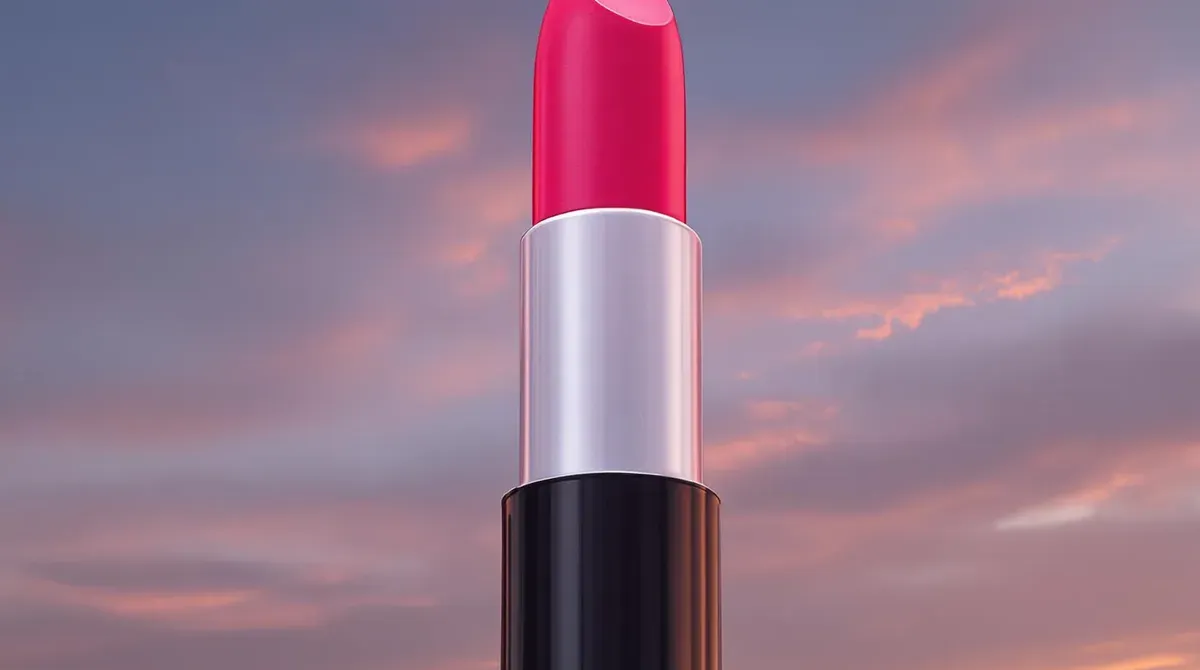
The advertising landscape is constantly evolving, and attracting consumers' attention is becoming a real challenge in a world saturated with messages.
FOOH (Fake Out Of Home) is emerging as an innovative advertising trend that plays on the ambiguity between real and virtual to hold the audience's attention.
FOOH is transforming brand communication. Given its ability to generate engagement on social networks through striking visual illusions, this form of digital advertising is changing the way brands communicate with their audience. FOOH can also extend a sports event beyond competition day.
What is FOOH?
FOOH, or Fake Out Of Home, is an advertising technique that creates visual illusions to attract attention. These digital creations seem to interact with the real environment, causing an effect of surprise among viewers.
FOOH does not physically exist in public space but is designed to be shared on social networks, thus generating enthusiasm for the brand. To learn more about this trend, see this article on Medium.
Unlike traditional OOH, which uses physical media such as billboards, FOOH exists only in the digital world. This format also differs from DOOH (Digital Out Of Home), which broadcasts digital content on real screens installed in public space.
FOOH plays on the ambiguity between real and virtual to generate more engagement than classic ads. Producing it requires the same rigour as event project management on a physical event.
How FOOH works and the technologies behind it
Basic principles of FOOH
FOOH rests on a simple but effective principle: creating an illusion between what is real and what is virtual. The aim is to surprise the audience with content that seems to interact with our world but in reality exists only in the digital world.
Caption: This table compares the key characteristics of OOH, DOOH and FOOH advertising, in terms of physical presence, flexibility, targeting, interactivity, cost, advantages and disadvantages. It helps to better understand the differences between these three types of outdoor advertising.
To create a FOOH campaign, you start by designing a creative concept that will play on this ambiguity. Then the visuals are prepared by integrating virtual elements into real environments.
Distribution happens mainly on social networks, where the content can quickly go viral. This approach offers great creative flexibility while avoiding the constraints of physical advertising media.
Technologies used in FOOH
The technologies behind FOOH mainly combine special effects and augmented reality to create this illusion between virtual and real.
Augmented reality plays a central role in creating striking FOOH campaigns. This technology makes it possible to overlay virtual elements on our real environment, creating the illusion that these elements really are part of the landscape.
Digital special effects complete this approach by adding details that reinforce realism, such as shadows, reflections or interactions with the environment.
The goal is to make the illusion convincing enough for the audience to stop and wonder about what they are seeing.
On the software side, video compositing and image retouching tools such as After Effects or Photoshop are often used to create these effects.
Preferred distribution platforms
For FOOH to work well, you need to choose the right platforms on which to distribute the content.
For optimal distribution, it is crucial to choose the social platforms suited to FOOH videos.
- Instagram: Ideal for quality visuals and reaching a wide audience.
- TikTok: Amplifies virality thanks to its short, creative videos.
- Facebook: Allows precise demographic targeting to reach the target audience.
- YouTube: Suited to longer videos and explanatory content.
Adapting the content to each platform is essential to maximise the impact of FOOH campaigns.
The success of a FOOH campaign depends heavily on its ability to go viral and be shared. The effect of surprise created by the ambiguity between real and virtual naturally pushes users to comment on and share the content with their friends and family.
Brands can also build in participatory elements to encourage interaction and increase the reach of their message. This social dimension is one of FOOH's great strengths compared with traditional advertising formats.
On Instagram, the shared post format has proved particularly effective for FOOH campaigns.
The process of creating a FOOH campaign
To create a FOOH campaign, you generally follow a process with several key steps.
Before starting production, it is important to define the marketing objectives clearly and prepare a detailed creative brief. This document will guide the whole team by specifying the message to convey, the target audience and the technical or budgetary constraints.
A well-constructed brief helps avoid unpleasant surprises and makes sure the campaign stays aligned with the brand's overall strategy.
For delivery, you can choose between working with a specialist agency or developing the campaign in-house if you have the skills.
Advantages and impact of FOOH for brands
Marketing strengths of FOOH
FOOH instantly captures consumers' attention in an advertising environment where every brand is trying to stand out. Campaigns that use this technique stand out because they offer an unusual visual experience.
The effect of surprise is one of FOOH's major strengths in its ability to generate engagement. The confusion between real and virtual elements provokes an immediate emotional reaction in viewers.
Consumers are naturally drawn to what is out of the ordinary, which explains why FOOH posts generate so many interactions.
Visual ambiguity stimulates curiosity and encourages sharing, creating a snowball effect on social networks.
FOOH radically transforms the storytelling possibilities for brands by making it possible to tell stories that are impossible to stage with traditional means.
Engagement on social networks
FOOH campaigns generate engagement rates clearly higher than classic ads on social platforms. The number of shares is often three or four times higher than for a standard post from the same brand.
FOOH videos hold attention for longer, with an average viewing time 40% higher than traditional advertising content. This retention of attention translates into better recall of the advertising message.
Users spontaneously share FOOH content because they want to be the first to show something unusual to their community. The effect of surprise plays a central role in this sharing dynamic, turning viewers into unwitting ambassadors of the brand.
Young urban adults are the most active segment in sharing this content, particularly on Instagram and TikTok.
The virality of a FOOH campaign is directly linked to its unexpected nature and the quality of its technical execution.
Impact on awareness and brand image
Companies that use FOOH benefit from a modernised perception of their image. Consumers associate these brands with innovation and the avant-garde, even in sectors that are traditionally not very digital.
This positive association persists for several months after the campaign, creating a lasting effect on awareness. FOOH's unconventional approach allows brands to differentiate themselves from their direct competitors.
FOOH considerably helps brands position themselves as innovative in consumers' minds.
The use of advanced creative technologies demonstrates an ability to think differently and take creative risks. This perception of innovation transfers naturally to the brand's products or services, even when these are nothing revolutionary in themselves.
Technology companies and lifestyle brands benefit particularly from this association with innovation. The positive effect on image lasts around 6 to 8 months after the campaign, requiring regular renewal to maintain this perception.
Examples of successful FOOH campaigns
Major luxury and fashion brands
Several luxury brands have turned to FOOH to create original campaigns that stand out.
Jacquemus made a mark with its shared Instagram post that gave the impression that its famous miniature bags were floating above the streets of Paris. This campaign generated more than 2 million views in just a few days and was picked up by many fashion media.
The concept relied on a perfectly controlled play on scale that created an ambiguity between real and virtual, reinforcing the brand's characteristic visual identity. The key to the viral success of this operation.
Other houses such as Gucci and Louis Vuitton are also exploring this format with FOOH videos that turn their products into surreal elements in the urban space. This play on scale is prepared on site, with site visits carried out by our Paris office before any shoot.
Mass-market brands
FOOH and brands: mass-market brands use it cleverly to connect with their audience. Nivea recently launched a FOOH campaign on TikTok to celebrate the anniversary of its Nivea Soft cream. More information about this campaign on La Revue du Digital.
Coca-Cola virtually turned vending machines into giant fountains bursting out of the ground in a series of videos shared massively on Instagram.
Meanwhile, Maybelline exploited fake out of home with its mascara that seemed to enlarge urban billboards.
Here are a few FOOH campaigns that stood out for their creativity and impact.
These campaigns demonstrate the potential of FOOH for mass-market brands.
Implementing an effective FOOH campaign
Best practices and strategic advice
To succeed with a FOOH campaign, you need to bet on an original concept that will surprise the audience and generate sharing on social networks.
Originality plays an important role in the success of a FOOH campaign given the saturation of advertising content on digital platforms. The brands that stand out are those that manage to find a unique creative angle for presenting their product.
The balance between visual creativity and brand message remains paramount so that the effect does not take over from the substance. Reference to popular culture or current trends can serve as an interesting starting point to fuel creativity.
For it to work, your FOOH must fit perfectly into your overall marketing strategy and not just be an isolated stunt.
Costs and budget considerations
A FOOH campaign involves several expense items to include in your budget. Creative design generally represents the largest share, followed by the production of visual effects and post-production work.
If you use influencers to amplify the reach of your campaign, allow a specific budget. Distribution on social networks may require an advertising investment to maximise initial visibility before the viral effect takes over.
The table above gives you an overview of the cost differences between the main advertising formats, which will help you plan your marketing budget better.
The future of FOOH in the advertising landscape
Technological evolution and new possibilities
FOOH is set to undergo major changes with the technical advances on the way. Augmented reality technologies are becoming more accessible and make it possible to create ever more stunning visual illusions.
In the coming years, we will surely see FOOH campaigns that include interactive elements in real time, allowing the audience to take part directly in the experience. Content creators will be able to play even more with the boundaries between the real and virtual worlds.
The metaverse will open new doors for FOOH campaigns by offering unlimited virtual spaces to create immersive advertising experiences. Brands will be able to build worlds where users virtually try their products, such as clothes or cars, without physical constraints.
Augmented reality will create hybrid FOOH ads that overlay the real world to blur completely the boundary between physical and digital.
Artificial intelligence will personalise FOOH ads according to users' preferences, making each campaign more relevant and engaging.
Market outlook and adoption by brands
The entertainment, fashion and food sectors will probably go massively into FOOH to create buzz around their products.
FOOH's proven effectiveness in engagement will accelerate its adoption by many brands looking to stand out. The cost of production and the technical complexity may hold back some companies, especially smaller ones with limited marketing budgets.
The evolution of consumer habits, with people responding better to creative advertising experiences, clearly favours the rise of FOOH. Creative agencies specialising in this field will multiply to offer brands tailor-made support for successful FOOH campaigns.
FOOH risks losing its surprise impact if consumers are too exposed to it in their daily lives. Creativity and originality will remain the key factors for standing out and holding the audience's attention in an increasingly saturated advertising environment.
Permanent innovation and the exploration of new visual techniques will be essential to prevent FOOH from becoming commonplace in viewers' eyes.
Personalising content for different cultural contexts can help keep consumers' interest in the long term.
FOOH upends the codes of traditional advertising by combining visual creativity and virality on social networks.
This trend, which plays on the ambiguity between real and virtual, offers brands unprecedented visibility in a saturated advertising landscape.
Given the speed at which augmented reality technologies are evolving, now is the ideal time for brands to explore this format before it becomes too common.