Looking for original ideas to energise your CSR (corporate social responsibility) approach without resorting to classic concepts such as the Climate Fresk or the eco rally?
Discover 8 innovative activities to engage your staff, strengthen team spirit and bring real responsible value to your events. These technical and creative solutions, combining ecological commitment and team cohesion, turn your initiatives into unique experiences with measurable impact. On the Côte d’Azur, these formats are set up with the suppliers followed by our event agency in Nice.
Sports and eco-responsible challenge
The eco-responsible sports challenge is an original CSR activity that combines physical activity with ecological commitment. Staff turn their training into solidarity actions by converting their performances into donations.
Companies use digital platforms to count the teams’ efforts. Each kilometre covered equals an amount paid to a charity. Tools such as Squadeasy or Geovelo Entreprise digitalise data tracking and make the process more transparent.
Sports challenges strengthen the sense of belonging and boost staff involvement. These structured initiatives encourage team cohesion while making the CSR commitment real through quantifiable results. Discover innovative ideas to strengthen team cohesion. As soon as the challenge grows, it tips over into organising sporting events, with timing, safety and rankings.
| App | Main features | Specific advantages |
|---|---|---|
| Teamupp | Immersive challenges, workplace wellbeing workshops, photo/video challenges, educational quizzes | Holistic workplace wellbeing approach, multi-dimensional staff engagement |
| Energic | Mobile app, desktop version, dashboard, comms kits, dedicated team support | Guided ecological transition, stronger communication, precise statistical tracking |
| Sport Heroes | Digital sports challenges, tracking of physical activity | Specialises in the link between sport and team cohesion |
| Kahoot | Interactive quizzes, online educational games | Playful learning, ease of use, accessibility |
| What’s on my desk? | Visual recognition game, team collaboration | Stronger interpersonal bonds, uncovering hidden talents |
| Atmosphère en péril | Collaborative investigation game, Cluedo-inspired, ecological dimension | Engaging narrative approach, awareness of CSR issues |
| Geocaching | Customisable treasure hunts, outdoor activities | Dynamic exploration, adaptable to teams of all sizes |
Organisations can partner with bodies such as France Nature Environnement or the Fondation ENGIE. These partnerships make CSR commitments concrete around key themes: the fight against climate change, preservation of ecosystems, access to energy.
Companies such as La Vaudoise Assurances have converted €4 million in donations through responsible sports challenges. These initiatives strengthen the employer’s appeal and position the company as an active player in sustainable development.
Local and sustainable cooking workshop
The sustainable cooking workshop is an innovative CSR activity that showcases fresh, seasonal products from local producers. This educational, hands-on approach engages staff in reflecting on food and ecological issues.
The set-up relies on mobile, modular equipment suited to the available space.
Follow this guide to optimise the layout of the space. Acoustic booths isolate the workshop from the rest of the venue. Formats range from 2 hours of hands-on workshops to full seminars.
- Strengthening team cohesion: Working together in the kitchen improves communication, trust and team spirit.
- Skills development: Stimulates creativity, problem-solving and collaboration.
- Awareness of sustainable development: Learning to build ecological practices into food choices.
- Improved wellbeing at work: Encourages relaxation, reduces stress and strengthens social ties.
The workshops address carbon impact through tools such as the food simulator from Impact CO2. These visual aids explain the emissions linked to production methods and agricultural supply chains.
Communal cooking strengthens interaction and collaboration. Participants swap tips and achieve a shared goal, developing creativity and teamwork in a relaxed, supportive setting.
Partnerships with local producers support the local economy.
Labels such as Biogarantie Belgium ensure a fair price and full traceability of the ingredients used in the recipes.
Creating a company vegetable garden
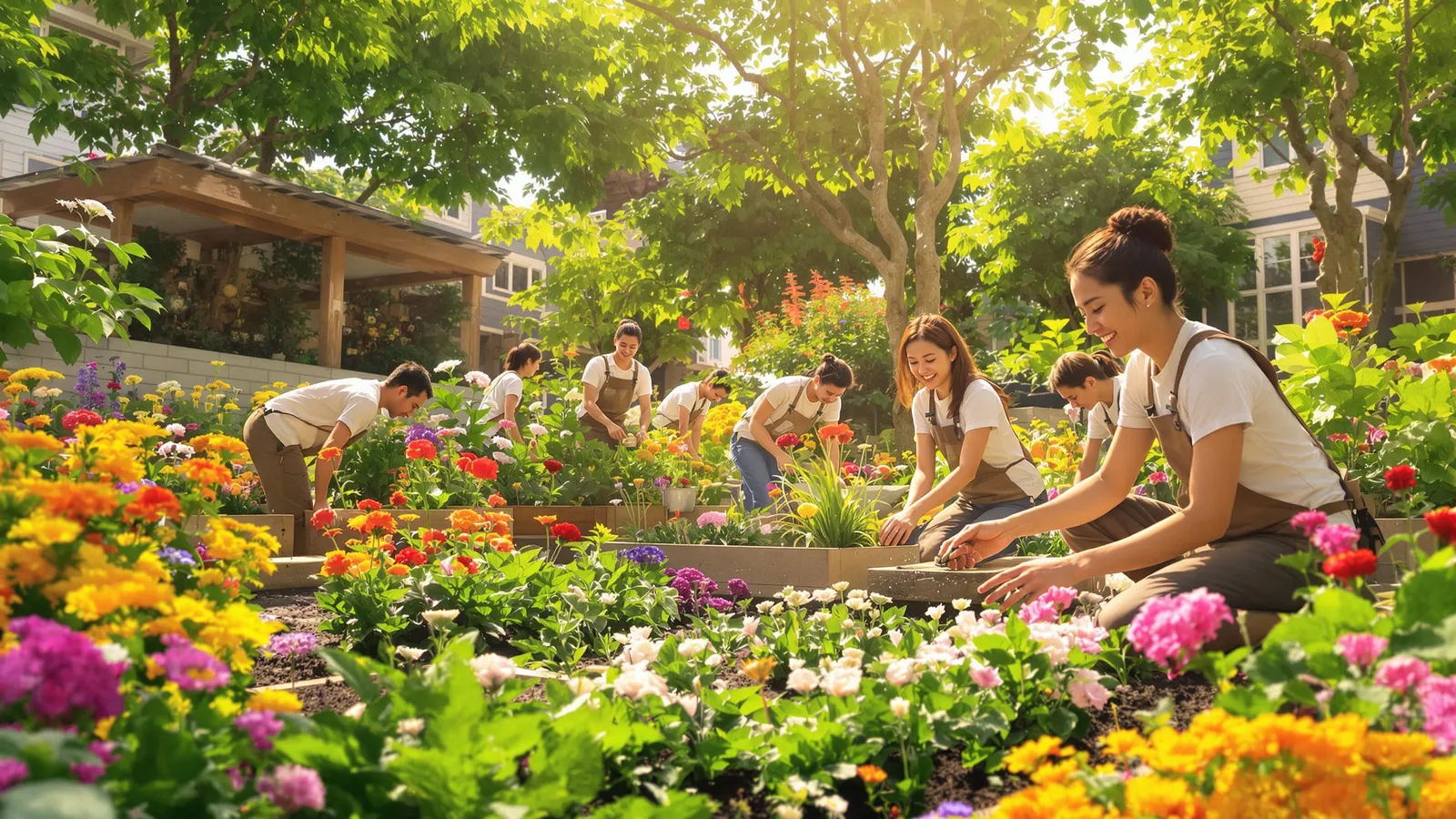
The company vegetable garden is a lasting CSR activity that brings in permaculture. These shared green spaces engage staff in gardening activities, strengthening responsible commitment and the connection with ecological issues.
The technical solutions include modular planters for small spaces and vertical structures. In urban areas, landscaped roofs or green walls make the most of the available surfaces, building eco-design into the layout of the premises.
An organisation by relay groups structures participation. CSR ambassadors coordinate the rotations, ensuring fair involvement. This collective approach builds long-term involvement without overloading the same employees.
Educational workshops cover the principles of permaculture and the preservation of biodiversity. Staff discover local ecosystems and soil-friendly growing techniques, raising awareness of environmental issues.
Plants in the workplace improve wellbeing at work. Green spaces reduce stress and encourage natural social interaction, making the CSR commitment tangible in staff’s daily environment.
The harvests are shared through fair distributions or communal cooking workshops. This sharing makes the impact of the initiative concrete, strengthening ties between colleagues and highlighting local roots through partnerships with farming associations.
Plogging session
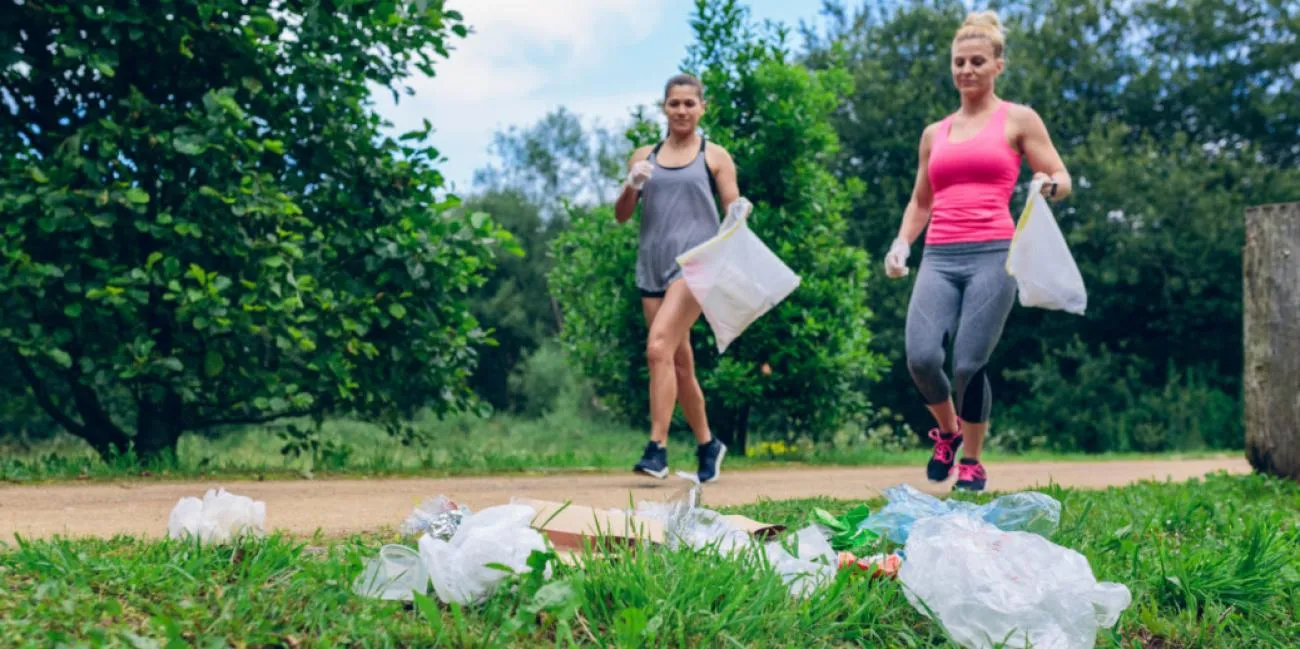
Plogging combines running with litter collection and was born in Sweden in 2016. The practice, derived from the Swedish “plocka upp” (to pick up) and “jogging”, makes it possible to turn physical training into environmental action. Volvo Car France has organised similar events, collecting 230 kg of waste.
To organise a session, plan for gloves, bin bags and a safe route. Take inspiration from this guide to structure your plogging event. The routes, often in urban areas, last 45 to 90 minutes. The Run Eco Team app makes it easier to track the waste collected. A team of 5 to 15 participants is recommended for optimal efficiency.
The activity builds physical health through varied movements. A participant burns around 300 kcal/h while collecting 1.5 to 3 kg of waste. The environmental impact is measurable: World Clean Up Day collected 244,279 pieces of waste in France, cleaning 2,528 km.
Participants become aware of urban pollution, particularly plastics. In companies, an employee generates 125 kg of waste a year. The accompanying zero-waste workshop explains that 19% of food is wasted, and that 8 to 10% of greenhouse gas emissions come from this loss.
- Urban plogging: Adapting to the available spaces.
- Themed challenges: Specific collection of plastics or cigarette butts.
- Inter-team competition: Ranking by quantity of waste collected.
- Night-time events: Use of reflective vests for safety.
- Charity plogging: Partnering with local associations to highlight the impact.
Communicate through social media and internal newsletters. Share the figures (e.g. 230 kg of waste collected) to highlight the commitment.
Transparency about CSR actions, such as partnerships with associations, strengthens the company’s credibility and appeal.
Zero-waste workshops
Zero-waste workshops raise staff awareness of sustainable habits. These CSR activities include making household products, talks or waste fresks. An employee generates 120 to 140 kg of waste a year, reduced by these practices.
Participants learn to make ecological products. Examples: multi-purpose spray based on washing soda crystals, laundry detergent made with black soap, or homemade dishwasher blocks. These workshops save up to €92 a year per household thanks to homemade alternatives.
Natural cosmetics such as balms or solid shampoos are made with simple ingredients. Strict hygiene rules include cleaning the utensils. Essential oils are used with dosages limited to a maximum of 2%.
Upcycling turns professional materials into useful objects. Cups become desk pots, pallets become furniture. The construction sector generates 227.5 million tonnes of waste a year, which can be reused through these workshops.
The organisation requires a suitable budget, a modular space and an optimal duration of 3 hours. Costs include the facilitator, equipment and travel. More than 40 workshops are offered in Mulhouse Alsace Agglomération.
The workshops change professional and personal behaviour. 87% of employees see a positive impact in a CSR company. 83% of candidates look for a job in committed companies, according to the data collected. In Alsace, we work on these workshops with craftspeople from Grand Est from our event agency in Strasbourg.
Introduction to French Sign Language

French Sign Language is an innovative CSR activity for professional inclusion. This workshop supports the integration of deaf or hard-of-hearing staff, making the company’s social commitment tangible.
The training is built around modules adapted to the company, led by specialist trainers. Practical exercises strengthen memorisation, building in gestural communication techniques for common professional situations.
The sessions transform company culture by developing accessibility. Teams master the basics of visual communication, strengthening diversity and openness to specific needs in the working environment.
Original CSR activities redefine the corporate event experience. By combining technical expertise and immersive awareness-raising, these initiatives strengthen staff engagement while giving substance to responsible values.
An innovative approach that turns every event into a lever for team cohesion and sustainable development.