Event scenography: creating an immersive space
Are you organizing an event and struggling to create a memorable atmosphere? Event scenography, the art of transforming a space into an immersive universe, is the key to captivating your audience.
In this article, discover its precise definition, inspiring examples, and techniques for bringing your vision to life, while incorporating event design trends and the importance of immersive experiences.
Definition and principles of event scenography
Event scenography is the art of structuring a space according to a narrative concept. It combines technical expertise and creativity to transform a venue into an immersive universe. According to Cairn.info, this discipline dramatizes the event to create a sensory experience. Explore innovative plant-based solutions for sustainable scenography.
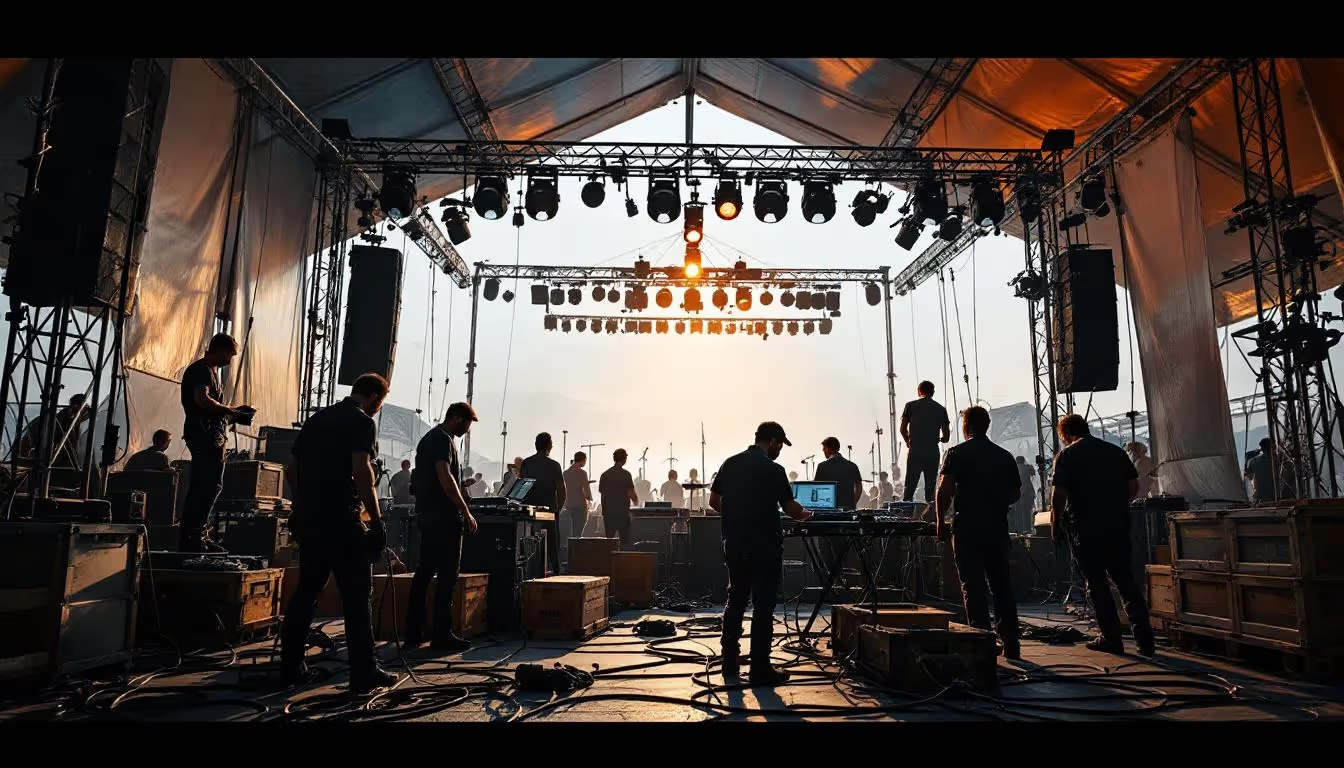
Scenography transforms space into a memorable experience. It uses dynamic lighting, immersive sets, and ambient technologies to capture the audience's interest.
Our team has complete mastery of the technical challenges involved in transforming environments. From trade shows to corporate events, each project reimagines the participant experience.
Scenography differs from decoration in its narrative and immersive approach. It tells a story through the environment, engaging the senses to convey a powerful message. Our team designs specific solutions that align the space with the event's objective. Each visual element supports the overall narrative.
The emotional goal of scenography is to create a lasting connection with participants. It aims to leave a lasting impression through memorable experiences.
Our technical expertise in events allows us to measure impact through audience engagement. Success is reflected in the emotional resonance after the event.
The role and responsibilities of the event scenographer
Event scenographers combine artistic expertise and technical mastery to design event spaces. Their training in spatial design and knowledge of stage technologies enable them to transform venues into attractive environments. Their profession lies at the intersection of art, technology, and project management.
The creative process follows a structured methodology. Analyzing the brief helps us understand the objectives.
The design of the concept translates the idea into a stage space. The technical implementation involves the creation of 3D models and the coordination of teams. The final phase ensures optimal installation and the smooth running of the event.
- Proficiency in 3D design and CAD software
- Expertise in project management and coordination of multidisciplinary teams
- Artistic creativity and visual storytelling skills
- Ability to adapt concepts to technical and budgetary constraints
- Technical knowledge of lighting, sound systems, and temporary structures
Coordinating technical service providers is an essential part of their role. They bring together teams of lighting designers, sound engineers, and video technicians. Master the fundamentals of project management for optimal stage design. Their ability to synthesize technical requirements is essential to the success of the project.
Managing budgetary and technical constraints is a daily challenge. The scenographer optimizes resources, negotiates with suppliers, and prioritizes expenses. He adapts technical solutions to financial requirements while preserving the quality of the artistic result and the impact on the target audience.
The key elements of successful event design
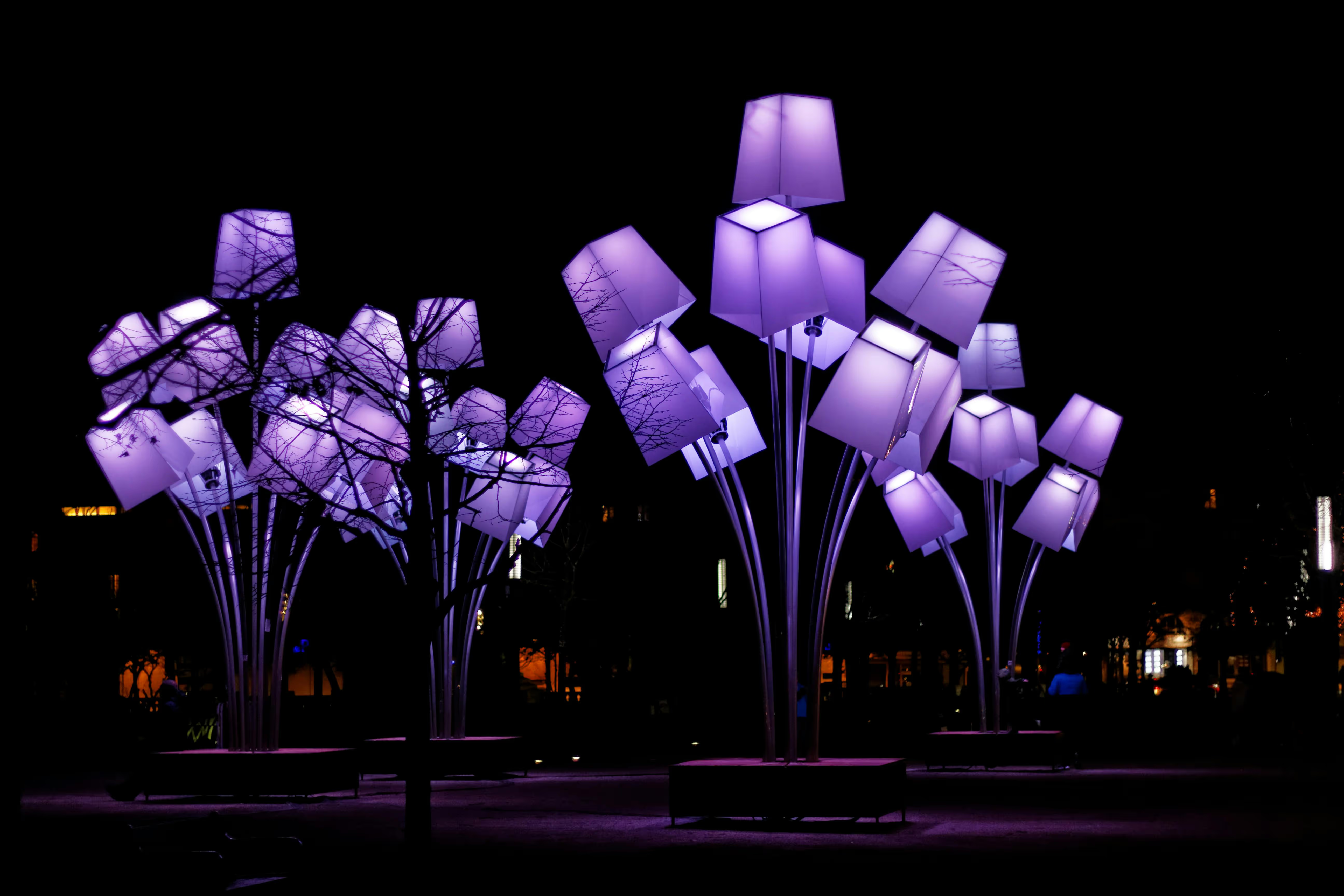
Stage lighting structures the space and creates the atmosphere of an event. Discover the latest trends in event lighting for spectacular visual effects. Our team is fully proficient in LED technologies and lighting programming systems.
Sound reinforcement enhances sensory immersion during events. Tailored technical solutions ensure optimal sound distribution in different environments. Our technical event experience guarantees exceptional sound quality for all formats.
Temporary sets and structures bring the theme of an event to life. Consistent visual elements transport participants into a specific world. Our team designs specific solutions for each project.
To evaluate the quality of a scenographic achievement, the following must be analyzed:
- Mastery of dynamic lighting and video mapping technologies
- Artistic creativity for an immersive and memorable scenography
- Rigorous management of logistical and budgetary constraints
- Technical coordination with production teams
Immersive scenography: captivating all the senses
Immersive scenography transforms a space into an interactive universe where the audience becomes an active participant. Over the years, this approach has evolved thanks to technical innovations. It goes beyond traditional event decoration to create a memorable experience through comprehensive sensory storytelling.
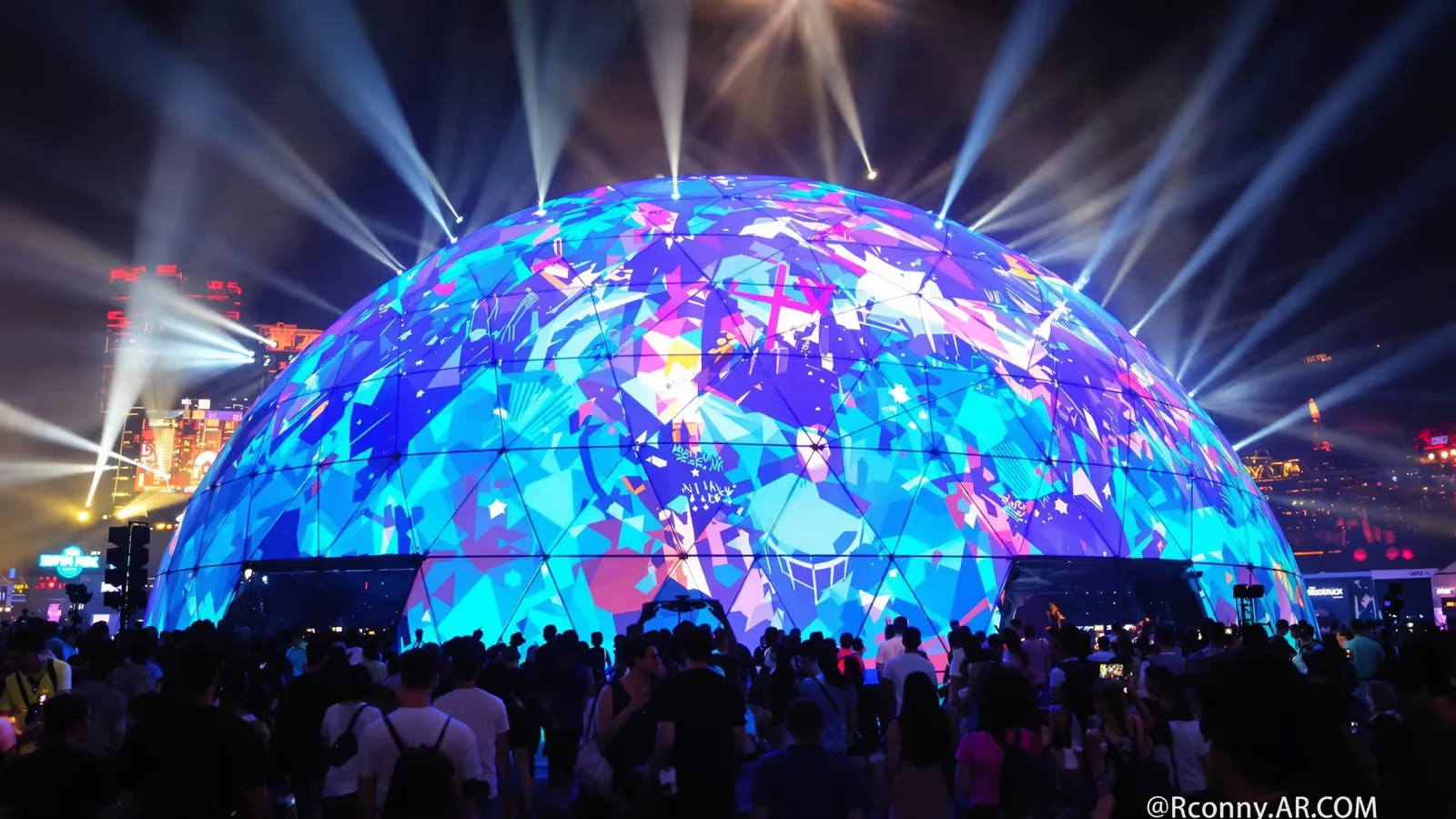
Video mapping redefines visual boundaries by projecting animations onto architectural surfaces. Discover the key AV technologies for immersive scenography. Our team has mastered the technical challenges of integrating these spectacular projections.
Sensory immersion engages all five senses to create an emotional connection. Olfactory and tactile stimuli complement the visual scenography. Our technical event experience shows that these elements reinforce the memorability of the event.
Eco-friendly scenography: combining aesthetics and sustainability
Eco-responsible scenography is based on eco-design and the reuse of materials. It incorporates the principles of the circular economy from the design phase onwards.
Technical solutions make it possible to reconcile visual impact with environmental commitment. Explore digital events as a complementary alternative to physical formats.
Reused materials such as wooden pallets and recycled steel are incorporated into scenographic designs. The Ressourcerie Culturelle illustrates this trend with sets made from recycled materials. Reuse is becoming a source of aesthetic innovation while reducing the carbon footprint of events.
LED lighting systems offer a powerful, eco-friendly alternative to traditional solutions. Their low energy consumption is accompanied by superior lighting quality. Solutions such as mobile LED masts ensure a high-quality atmosphere with reduced consumption.
Reusing scenographic elements extends their life cycle. Initiatives such as the 17h25 collective pool sets between cultural organizations. A concrete example is the Grand Défi Écologique de 2024 (ADEME), where 95% of the elements were reused.
Set design as a vehicle for corporate identity
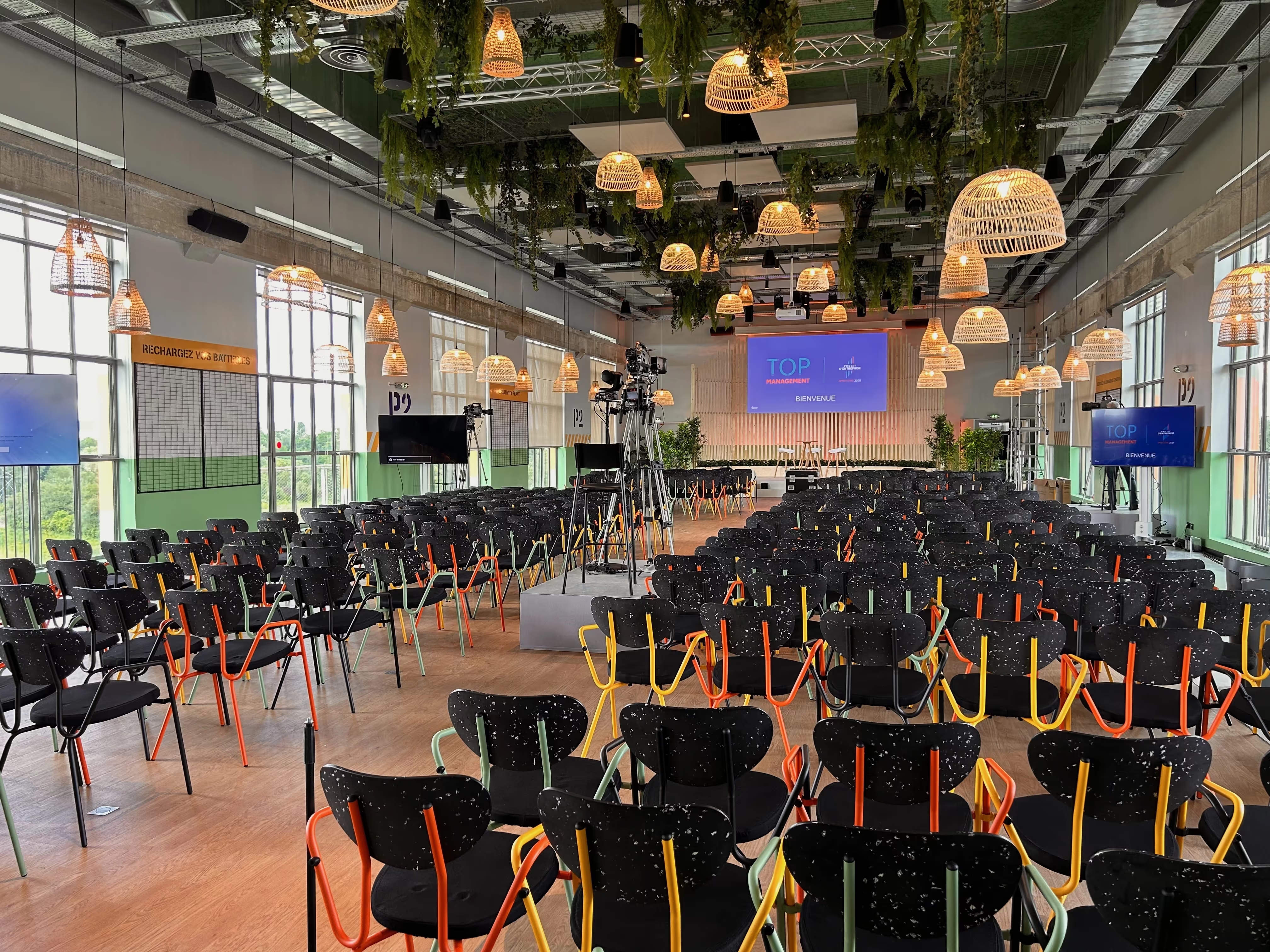
Event scenography translates a company's visual identity and values into space. It uses graphic elements, colors, and materials that are aligned with the organization's brand guidelines.
Our team is highly skilled in integrating visual codes to ensure complete consistency between the brand image and the stage design.
Consistency between the message and the scenographic choices guarantees the impact of the event. Inconsistent scenography can weaken the credibility of the brand. Our technical event experience shows that visual and narrative harmony reinforces the emotional resonance with participants.
The impact on brand perception can be measured by memorability and engagement. Immersive scenography creates a lasting connection with guests. Examples such as the Carrières des Lumières illustrate this transformation of a place into a narrative space.
Commercial or strategic objectives are supported by scenography that structures the space to guide interactions. Visual and audio elements reinforce key messages. Our team designs specific solutions to align the participant experience with the business expectations of the event.
The return on investment is reflected in increased brand awareness and a strengthened brand image. A memorable scenography generates media and social media coverage.
Our team contributes to the success of projects by integrating visual identity into every detail of the scenography.
Event scenography has established itself as a technical art form that creates immersive experiences. By combining expertise, visual elements, and innovation, it shapes unique spaces that reinforce visual identity and leave a lasting impression on audiences.
At the intersection of event design and sensory storytelling, she remains an essential pillar for impactful events.