Event management: tools and project planning
You've probably had to manage an event before, and you know how difficult it can be to coordinate everything. Event management is precisely what will structure all of this. In this article, I'll share the planning tools and methodologies that the best event managers use to ensure that everything runs smoothly, from the planning stage to the final execution of your event.
The fundamentals of event management
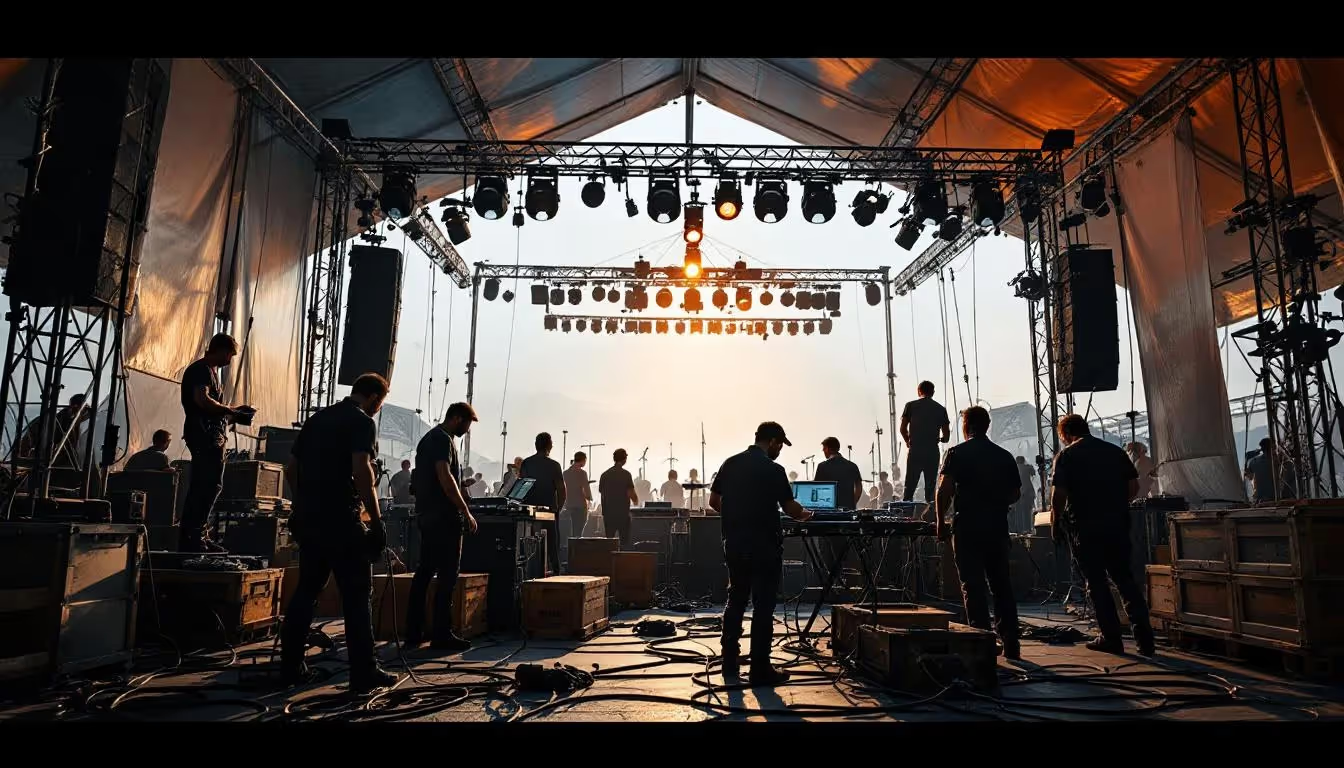
Stage management is the technical backbone of an event. The stage manager masters audiovisual tools, coordinates teams, and manages unforeseen events. Their role is to align artistic expectations with technical resources, while staying within budget and ensuring safety.
Careful planning prevents delays and technical glitches. The stage manager anticipates needs, optimizes resources, and secures the event. Without clear coordination, the event becomes chaotic, impacting the audience's experience and the agency's reputation.
The key qualities of an effective stage manager:
- Expertise in sound, lighting, and video to manage technical aspects.
- Ability to bring together multidisciplinary teams and service providers.
- Clear communication to guide teams under pressure.
- Adaptability in the face of unforeseen events and real-time stress management.
Essential tools for event management
Communication tools such as Slack or Microsoft Teams centralize exchanges between stage managers, technical teams, and service providers. They prevent duplicate messages and make it easier to follow up on urgent requests. A real-time sharing application ensures that any change in the schedule is immediately communicated to everyone concerned, avoiding misunderstandings.
Event project methodology
Strategic event planning
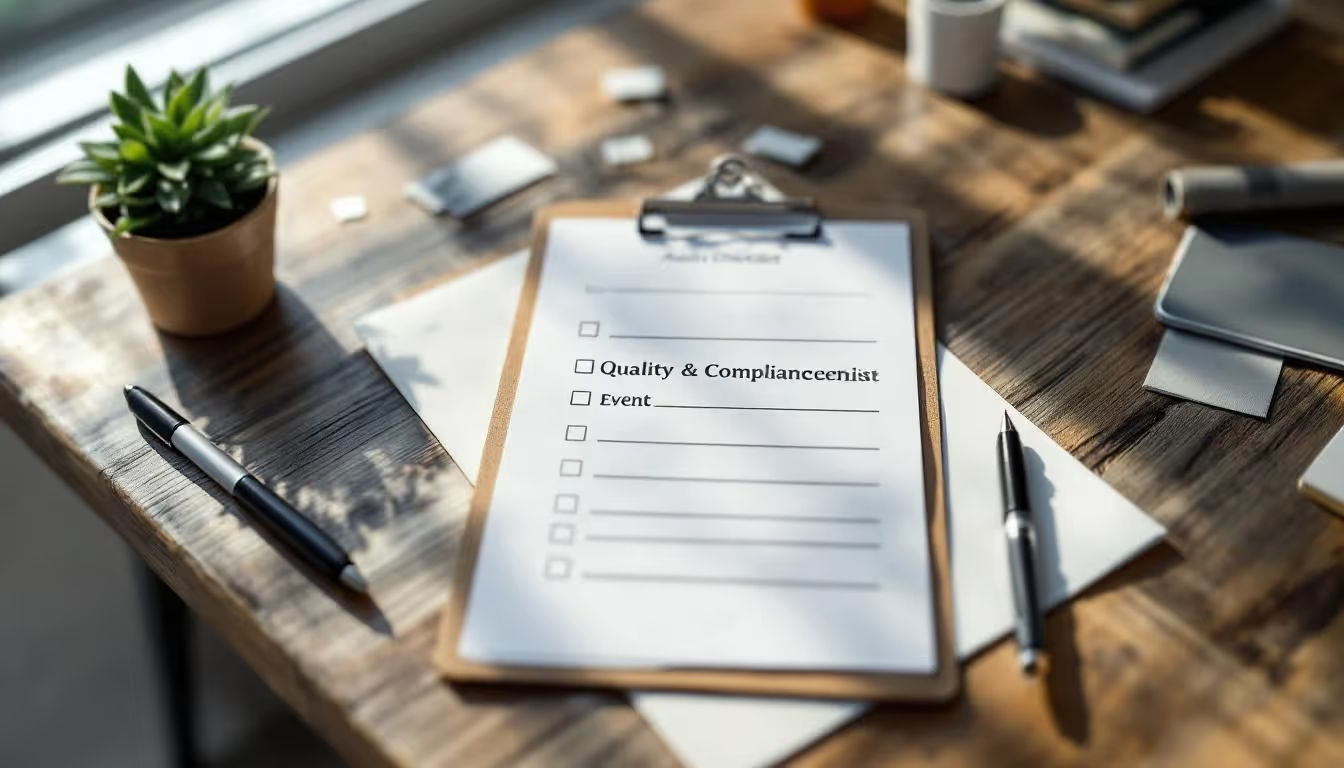
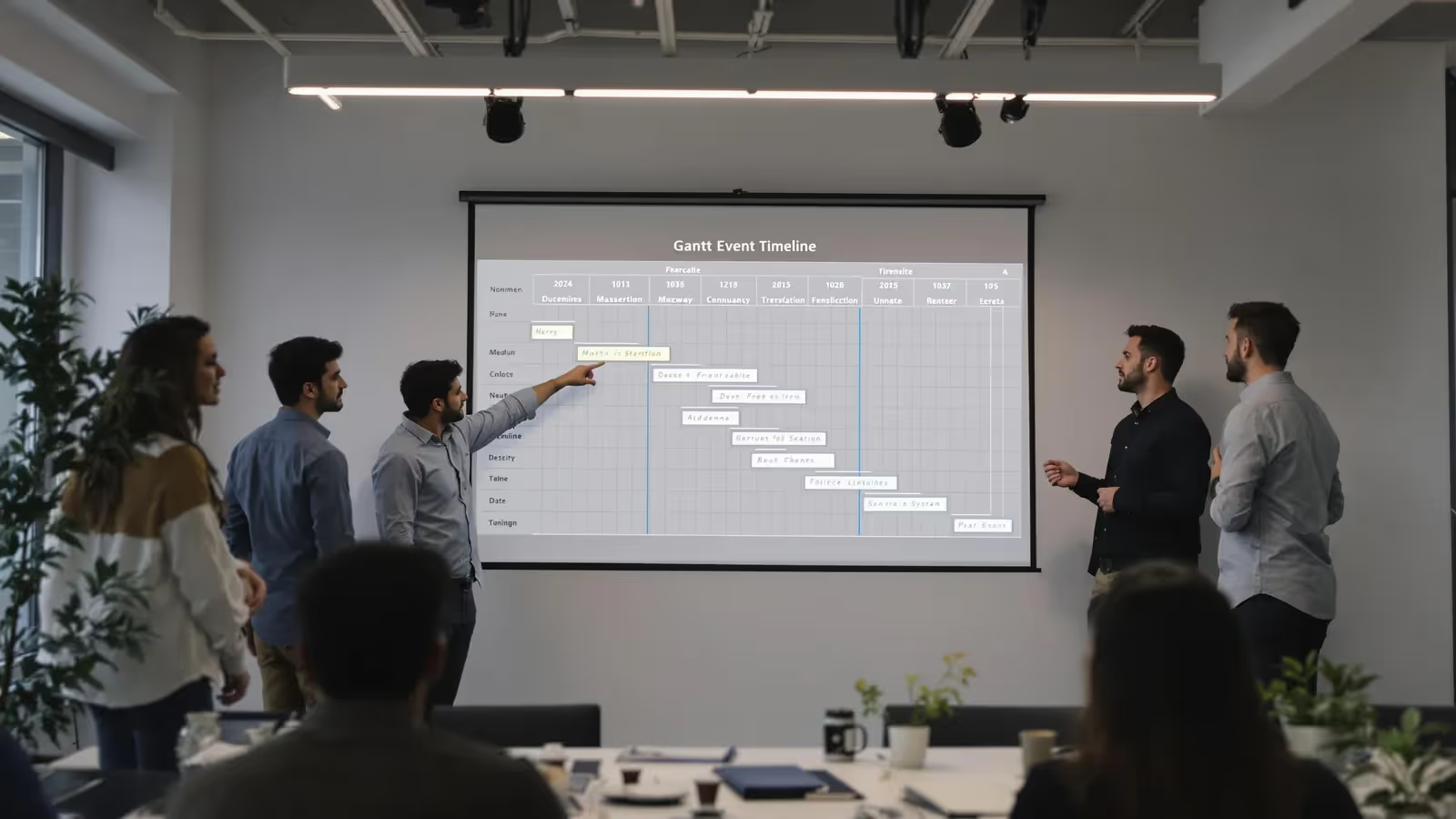
Detailed technical specifications is the basis for good reverse planning. It prevents oversights and secures critical steps. We start with the date of the event, then work backward through each task with their actual deadlines.
- Clarify the event's objectives and target audience
- Set the date and location by checking availability.
- Realistic budget with room for maneuver
- Select reliable and available service providers
- Plan the preparation, assembly, and disassembly phases
- Schedule time for technical testing and adjustments
Anticipating technical glitches in hybrid events is not optional. A streaming failure, a microphone that stops working, a guest who cancels at the last minute. For each identified risk, I note a workaround and verify that it can be implemented on site.
Technical and logistical coordination
Sound, lighting, and video are the technical trio. A stage manager must ensure that these aspects are aligned. It is also necessary to coordinate the teams on site, such as audiovisual technical experts.
Communication is key to avoiding mistakes. I set up a single channel to centralize exchanges between the client, teams, and service providers. Regular updates between each phase of the event project allow us to validate the actions completed and adjust course if necessary.
A good event manager juggles rigorous organization, team coordination, and advance planning to avoid unforeseen circumstances. Try out a structured method with the right tools now: it will make all the difference for your upcoming events. The success of an event comes down to masterful logistics, period.